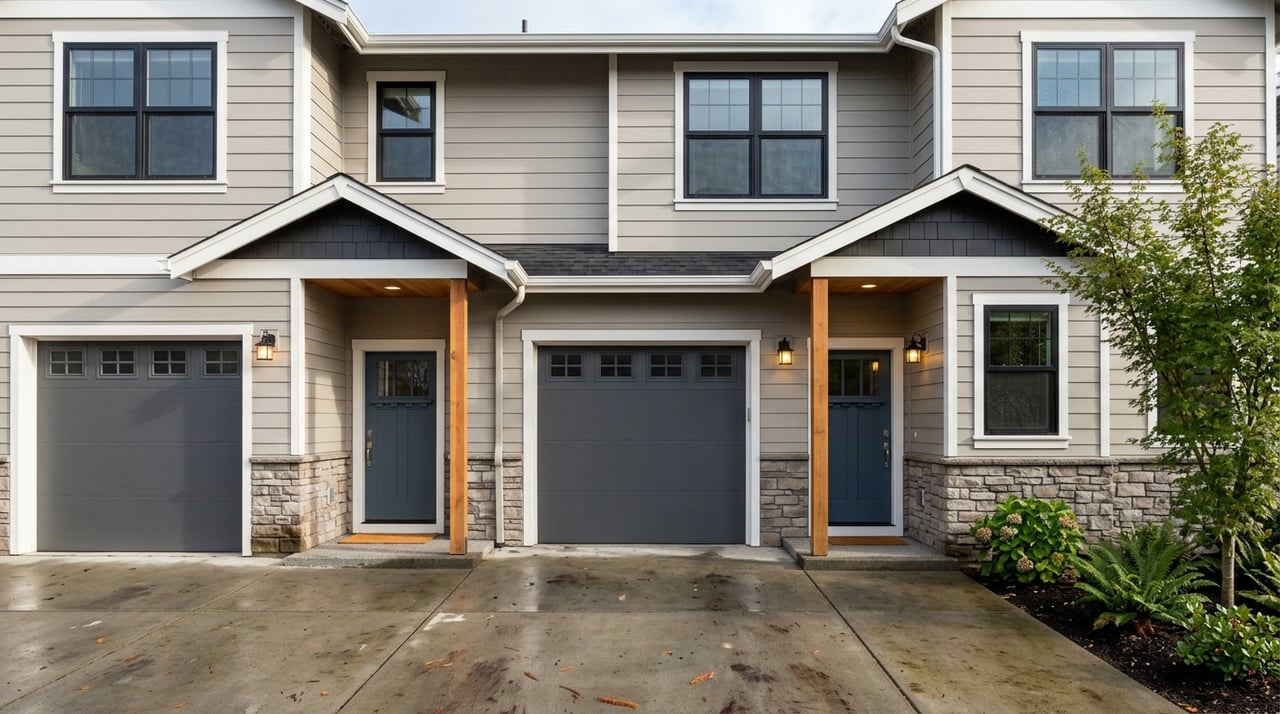
Trying to choose between a single-family home and a townhome in Kent? You are not alone. Many buyers are balancing space, upkeep, monthly costs, and commute time all at once. The good news is that in Kent, the right choice usually comes down to how you want to live day to day, not which option is somehow “better.” Let’s break down the tradeoffs so you can decide with more confidence.
Kent’s Housing Pattern Matters
Kent has long been shaped by single-family housing. City planning materials note that most land use in Kent remains single family, while multifamily and mixed-use development are more concentrated in downtown, nearby areas, and along major roadway and transit corridors.
That matters because your choice is not happening in a vacuum. In Kent, detached homes are still the baseline in many parts of the city, while townhomes are part of a broader push to add more housing options in places that are becoming denser and more connected.
What Counts as a Townhome?
A townhome is more than just a home that shares a wall. Under Washington planning rules, townhouses are buildings with three or more attached single-family units that extend from foundation to roof and have a yard or public way on at least two sides.
That physical layout is only part of the story. In Washington, a townhome can be set up under an HOA or as a condominium, so the legal structure matters just as much as the look of the building.
How Single-Family Homes Usually Feel Different
A detached single-family home often gives you more owner-controlled space. You typically have fewer shared walls, more separation from neighbors, and more direct control over how the property is used and maintained.
For many buyers, that translates into a stronger sense of privacy and flexibility. If you like the idea of more outdoor space or you want room to adjust the property over time, a detached home may feel like a better fit.
Washington’s ADU guidance can also matter here. State law allows ADUs on many residential lots, including lots with single-family housing and, in some cases, townhomes, but whether a property can support that kind of change depends on the lot, zoning, and the ownership structure.
How Townhome Living Usually Feels Different
Townhomes often appeal to buyers who want a more compact setup. You may have a smaller lot, less exterior space to manage, and a layout that makes homeownership feel more manageable.
In Kent, that can pair well with location. Since denser housing and transit-oriented growth are more concentrated near downtown and major corridors, townhomes may offer an easier path to homes in more commute-friendly areas.
That does not mean every townhome is low maintenance or every single-family home is high maintenance. It means the balance of responsibility often shifts depending on the property and the association structure.
Commute Access Is a Real Kent Advantage
Kent stands out in South King County for transit access. The city points residents to King County Metro and Sound Transit bus service running through Kent every day and night, plus DART, Metro Flex, walking, bicycling, and rideshare options.
Kent Station is another key piece of the picture. Sound Transit says the Sounder S Line trip from Kent Station to Seattle’s King Street Station takes about 30 minutes, and the station is also served by ST Express route 566 and several King County Metro routes.
If your daily routine involves getting to Seattle or nearby job centers, location may carry extra weight in your decision. A townhome near downtown or a major corridor could support a simpler commute, while a detached home elsewhere in Kent might offer more space but a different transportation routine.
Maintenance Is One of the Biggest Differences
For many buyers, maintenance is where the single-family versus townhome choice becomes very real. With a detached home, you are usually responsible for the property as a whole, including exterior upkeep unless a specific community arrangement says otherwise.
With a townhome in a common-interest community, the responsibilities are often split. Washington law says the association generally maintains, repairs, and replaces common elements, while each owner maintains their own unit.
That is why it helps to get very specific before you buy. You want to know who handles the roof, siding, landscaping, and driveway maintenance, because those details shape both your monthly budget and your day-to-day workload.
Monthly Cost Is More Than the Mortgage
A townhome can look attractive on purchase price alone, but you should always look at the full monthly picture. In many communities, dues help fund shared property upkeep, infrastructure, and administrative costs.
That means your true housing cost may include mortgage, taxes, HOA dues, and sometimes special assessments. A lower sticker price does not always mean a lower carrying cost.
Single-family homes may not have HOA dues in the same way, but that does not make them automatically cheaper to own month to month. Instead of dues, you may be carrying more direct maintenance and repair responsibility yourself.
Why HOA Review Should Happen Early
If you are considering a townhome, HOA review should be part of your home search from the beginning. Washington guidance explains that associations are typically created to manage shared property, enforce community rules, and handle common-area maintenance.
Washington law also requires budget and assessment procedures, and it requires reserve studies for most associations. Buyers of resale units in a common-interest community are entitled to a resale certificate that discloses assessments and other financial obligations, while buyers of new units can receive a public offering statement with key financial and governing documents.
Those disclosures matter because they help you understand the community before you commit. They can reveal whether dues seem adequate, whether reserves are being studied, and whether there are extra costs or limitations that may affect your comfort level.
Flexibility Matters More Than You Think
A home that works today should still support your life a few years from now. That is one reason detached homes often appeal to buyers who want more freedom to change the property over time.
In Kent, this can include questions about future ADU potential, outdoor use, and how much control you want over exterior changes. Townhomes can still be a great fit, but the legal structure and community rules may affect what you can do later.
If you think you may want to rent the home in the future, change exterior features, or explore adding living space, those are smart questions to ask early. The answers can shape long-term value and convenience just as much as the floor plan.
A Simple Way to Decide
If you are torn between the two, try starting with your non-negotiables. Think about your commute, how much maintenance you want to handle, how important outdoor space is, and whether future flexibility matters to you.
In many cases, a detached home fits buyers who want more control, more yard space, and more room to evolve the property over time. A townhome often fits buyers who want less exterior upkeep, a smaller lot, and a location that may support easier commuting.
Neither choice is automatically right for everyone. In Kent, the smarter question is which option best matches your budget, routine, and long-term plans.
Kent Questions to Ask Before You Buy
Here is a practical checklist to use as you compare homes in Kent:
- Who maintains the roof, siding, landscaping, and driveway?
- What do the monthly dues cover?
- Is there a current reserve study?
- Are there any special assessments?
- What parking rules apply?
- What exterior-change rules apply?
- Is future renting allowed?
- Could the property support an ADU or other future change, if that matters to you?
These questions can help you move past first impressions and focus on real ownership costs and flexibility.
The best choice is usually the one that supports the way you actually live. If you want help weighing Kent townhomes against single-family homes with your budget, commute, and future plans in mind, the Laura Papritz Team is here to offer clear, no-pressure guidance.
FAQs
What is the main difference between a single-family home and a townhome in Kent?
- In Kent, a detached single-family home usually offers more owner-controlled space and fewer shared walls, while a townhome is typically an attached home that may come with shared maintenance responsibilities and association rules.
Are townhomes in Kent usually closer to transit?
- They can be, because Kent’s denser housing and transit-oriented growth are more concentrated near downtown and major corridors rather than spread evenly throughout the city.
What costs should you compare when buying a Kent townhome?
- You should compare the mortgage, taxes, HOA dues, and the possibility of special assessments, since the full monthly cost is often more than the loan payment alone.
What should you review before buying a townhome in Washington?
- You should review the association’s financial disclosures, including assessments and other obligations, because Washington law gives buyers access to documents that help explain the community’s rules and financial structure.
Can a Kent single-family home offer more flexibility over time?
- Often, yes, because detached homes usually provide more control over the property and may be a better fit for buyers who want more outdoor space or the option to make future changes if allowed by zoning and lot conditions.