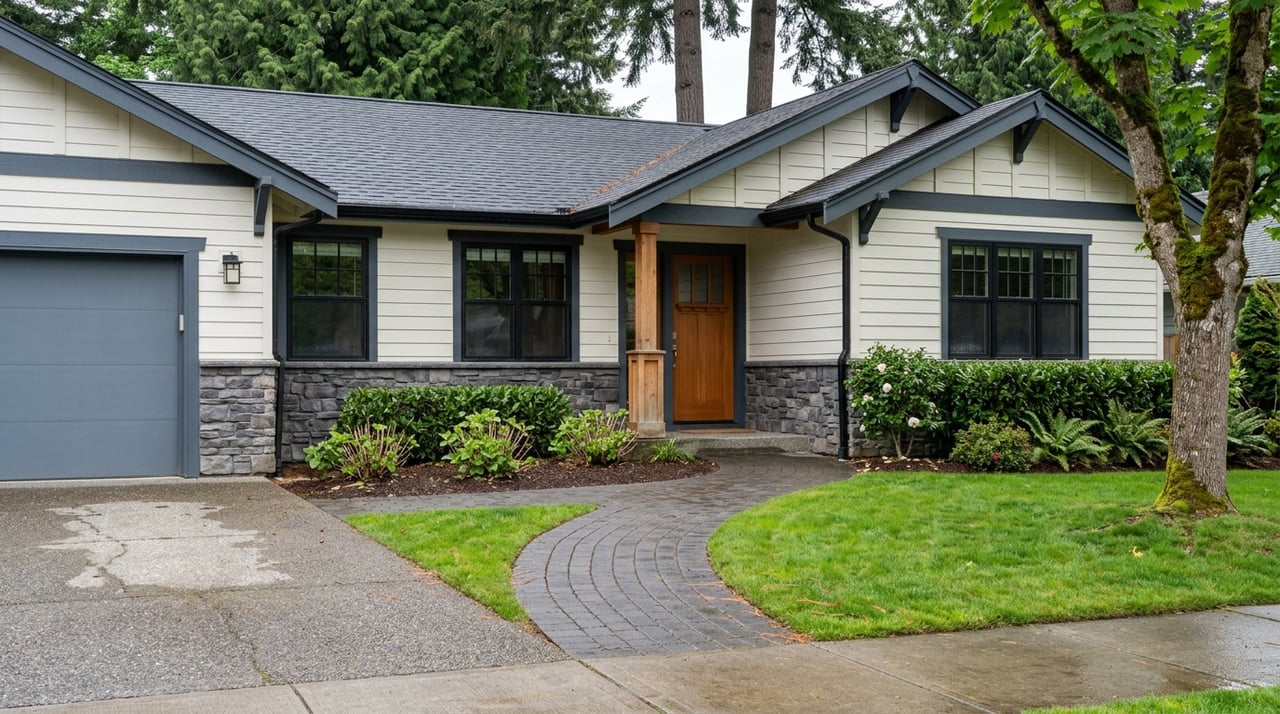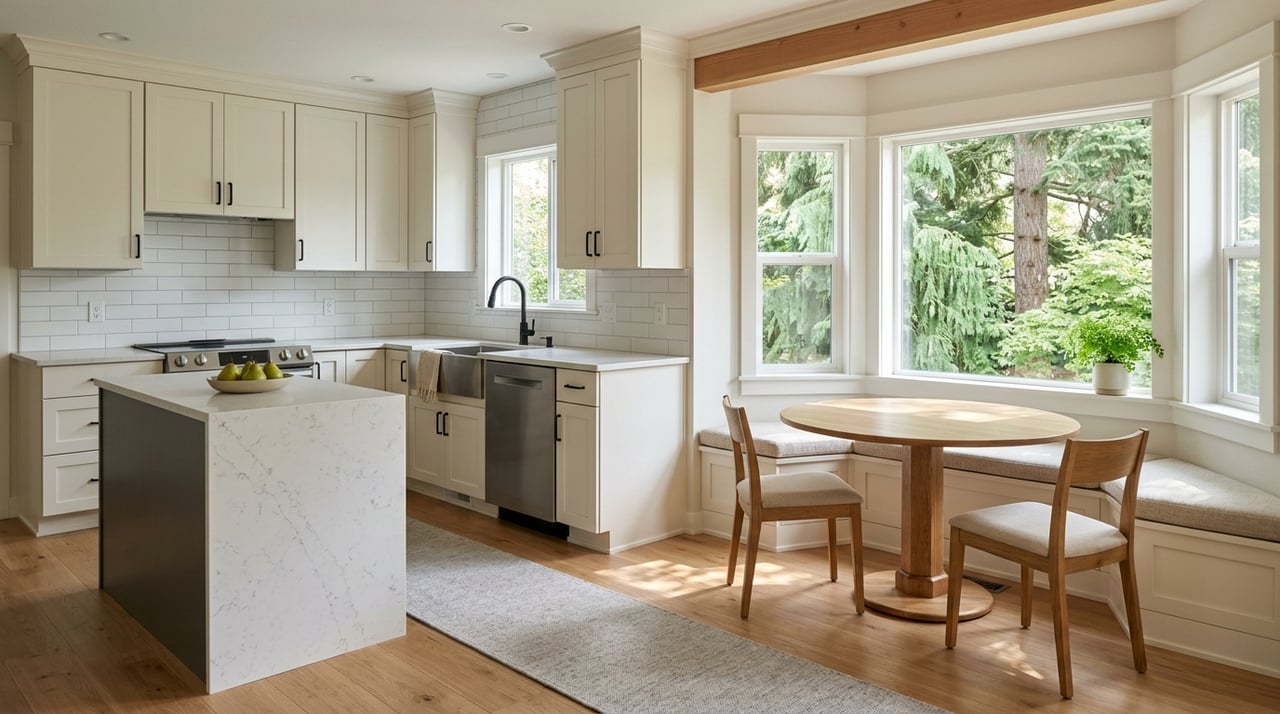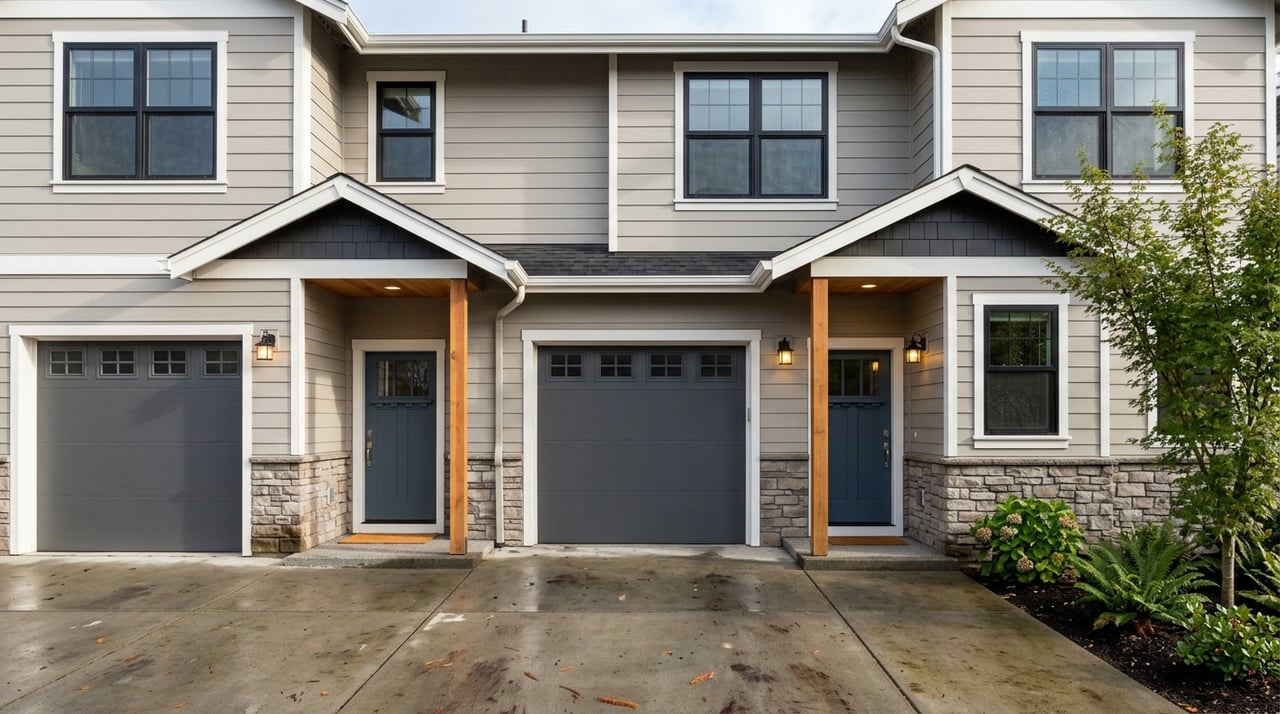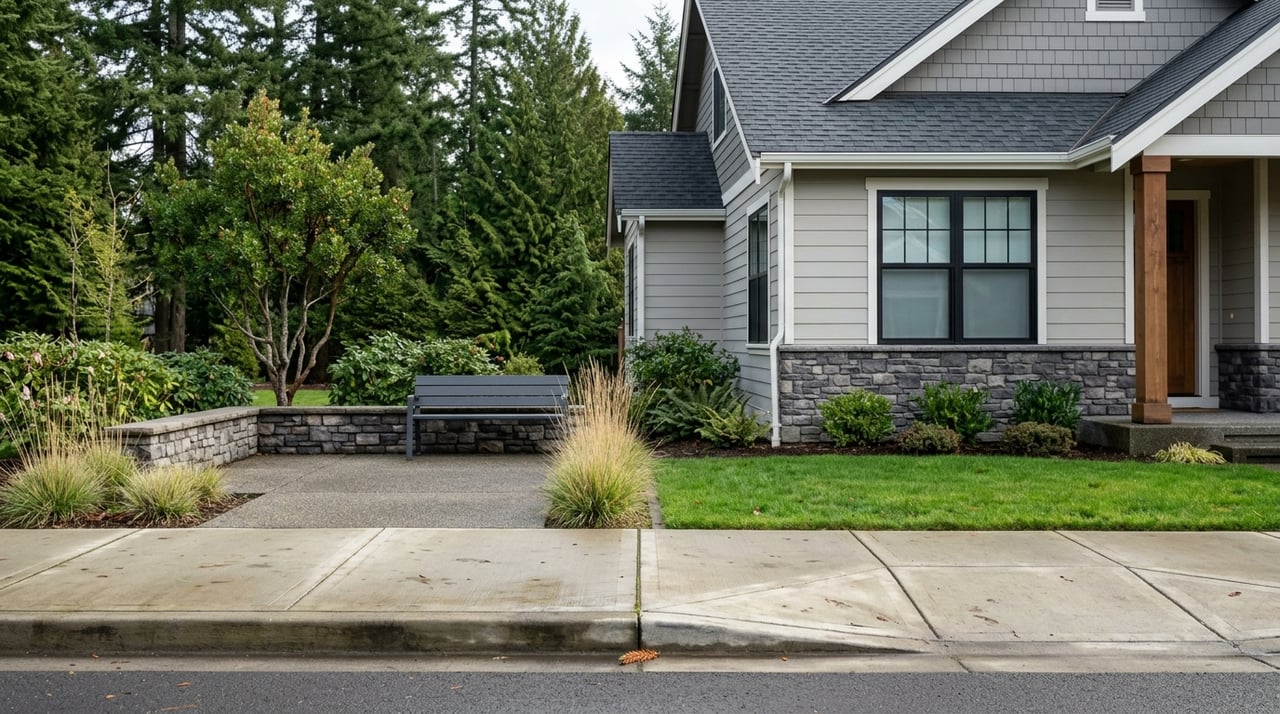
Thinking about selling your Maple Valley home and wondering when timing matters most? You’re not alone. Choosing the right month can affect how quickly you sell and how much you net, especially in a market tied to the broader Seattle–Bellevue–Everett area. In this guide, you’ll learn the seasonal patterns that shape Maple Valley, the key metrics to watch, a simple decision framework, and a 60–90 day prep plan to be market-ready. Let’s dive in.
Maple Valley selling seasons at a glance
Spring is usually the sweet spot in the Puget Sound region, and Maple Valley follows a similar pattern. Here’s how the year typically plays out:
- Late winter (Jan–Feb): Inventory begins to tick up. Serious buyers start browsing, but overall activity is quieter. It’s a strong time to plan, repair, and stage.
- Spring surge (March–June): Peak listing and buyer activity. Homes often sell faster and closer to list price when they’re well prepared and priced right.
- Summer (June–Aug): Demand remains but cools in midsummer. Families often aim for summer closings, and new construction can add competition.
- Fall (Sept–Oct): Activity moderates. Buyers who missed spring may re-enter and tend to be price sensitive. Inventory usually trends down after late summer.
- Winter (Nov–Dec): Slowest stretch with fewer listings and buyers. Days on market typically rise, and buyers may have more room to negotiate.
What the data says to watch
Sellers who track a few core metrics make better timing and pricing decisions. Aim to review city or ZIP-level data for Maple Valley (98038) rather than broad county averages.
Median days on market (DOM)
DOM tracks how long it takes to get an accepted offer. In a hot market, medians often sit under 15 to 20 days. Balanced markets tend to land around 20 to 45 days, and slower markets extend beyond 45 days. Spring often brings the lowest DOM of the year.
Sale-to-list price ratio
This ratio compares the sale price to the final list price. Over 100 percent suggests strong demand and potential multiple offers. A range of 97 to 100 percent indicates a more balanced setting. Trends near or below 97 percent usually favor buyers.
Inventory and new listings
Active listings show how much competition you face. Maple Valley inventory is typically lower than dense urban cores, so changes can be felt quickly. New listings usually spike March through May.
Months of supply
Months of supply measures balance. Less than 3 months often signals a seller’s market. A 3 to 6 month range is typically balanced. Over 6 months leans toward a buyer’s market.
Median sale price
Prices often peak in late spring or early summer. Focus on year-over-year comparisons for the same month and use rolling 90-day averages to smooth out short-term noise.
Pending ratio
This ratio (pending sales divided by active listings) offers a quick read on demand. Higher ratios point to stronger buyer interest.
When to sell based on your goal
Your ideal timing depends on what matters most: price, speed, or convenience.
If you want to maximize price
- Target March through May if possible. Buyer demand typically surges and list-to-sale spreads tighten.
- Do not rush to list before your home is ready. Underprepared listings can linger and attract lower offers.
If you want a faster sale
- Spring still gives you the best odds of speed, but well-priced homes can move quickly year-round when local inventory is thin.
- Consider a sharp pricing strategy or a tight offer review window to encourage early action.
If you want convenience and alignment
- Coordinate your listing to match your desired closing window. Summer closings can work well for family moves.
- If you prefer better weather for photos, spring tends to show homes and yards at their best in Maple Valley.
Weigh the cost of waiting
- Account for mortgage, taxes, insurance, utilities, HOA fees, and maintenance when considering a delay.
- Keep an eye on interest rate shifts and local builder activity. New construction incentives can influence pricing for nearby resales.
60–90 day readiness plan
Use this simple timeline to hit the spring window or prepare for any targeted list date. These steps help you launch strong with fewer surprises.
Day 60–90: Plan and quick wins
- Request a no-pressure comparative market valuation to set expectations.
- Review property records and HOA items. Confirm permits, tax status, and any boundary questions.
- Walk the home with an agent or stager to identify high-impact, budget-wise improvements.
- Schedule a stager consult and get bids for staging and photography.
- Gather documents: utility bills, warranties, upgrade receipts, and disclosures.
- Pre-book professional photography for soon after staging.
Day 30–60: Repairs, deep prep, and pre-marketing
- Complete priority repairs and deferred maintenance, starting with safety and system issues.
- Refresh paint in neutral tones. Declutter and depersonalize to broaden appeal.
- Boost curb appeal with pruning, mulch, pressure washing, and simple plantings that pop in spring.
- Finalize staging plans and schedule photos and a virtual tour once staging is complete.
- Draft your property description and marketing plan. Set a pricing range and timeline.
Day 0–30: Listing and launch
- Deep clean and complete last touch-ups. Keep scents neutral or scent-free.
- Consider listing early in the week to maximize exposure through prime showing days.
- Launch the full marketing plan: MLS, digital syndication, social promotion, and open houses if appropriate.
- Track showings and feedback in the first week. Adjust price or terms if you see consistent pushback on condition, layout, or price.
Closing window: After you accept an offer
- Compare offers on price, escalation terms, inspection contingencies, financing, and closing timeline.
- Negotiate for your net and schedule. If multiple offers appear, use clear timelines and best-offer strategies.
Optional add-ons
- Pre-inspection to uncover issues early and streamline negotiations.
- Seller credits for repairs or closing costs if market conditions favor buyers.
Local factors to consider in Maple Valley
A few local dynamics can shape your timing and strategy in 98038.
- Commute patterns: Proximity to I-405, WA-18, and other routes can expand your buyer pool. Fuel prices and commute options also influence demand.
- School calendar: Many buyers prefer moves that align with the school year. Listing in spring can support summer closings.
- New construction: Subdivisions and builder incentives may compete with nearby resales. Review active builder offerings before setting price.
- Weather and curb appeal: Spring light and greenery help listings show well in photos and at showings.
- Lot and outdoor space: Yard size, RV parking, and proximity to trails and lakes matter to many Maple Valley buyers. Highlight usable outdoor areas.
- HOA and CC&Rs: Any restrictions that affect how a property can be used should be disclosed early.
- Micro-markets: Newer subdivisions may move differently than older neighborhoods. Use neighborhood comps in addition to city-wide medians.
How to get local numbers and read them well
Data clarity makes pricing and timing decisions easier. Focus on Maple Valley city or ZIP-level reports.
- Primary sources: NWMLS reports, Redfin Data Center, Zillow Research, and King County Recorder and Assessor records.
- What to pull: Monthly new listings, active inventory, closed sales, median DOM, sale-to-list ratio, median sale price, months of supply, and neighborhood-level comps.
- How to analyze: Use rolling 3-month averages to smooth noise. Compare the same month year over year to account for seasonality. Check Maple Valley against King County and the metro to gauge relative strength.
Quick seller checklist
- Set your goal: price, speed, or convenience.
- Get a local valuation and review neighborhood comps.
- Tackle repairs and maintenance with the best ROI.
- Plan staging and professional photos.
- Choose a target list week and marketing plan.
- Monitor feedback and adjust quickly after launch.
The bottom line
If your top priority is price and speed, spring in Maple Valley is usually your best bet, as long as your home is fully prepped and priced with current comps. Summer can still deliver solid results, especially for well-presented homes with outdoor appeal. No matter when you list, a focused 60–90 day plan and data-driven pricing will put you in the strongest position.
Ready to map out a plan around your timeline and goals? Reach out to the Laura Papritz Team to start with a free, no-pressure home valuation.
FAQs
What is the best month to sell a house in Maple Valley?
- Spring months, especially March through May, typically offer the largest buyer pool and stronger pricing, provided your home is market-ready.
How long do homes take to sell in Maple Valley?
- Use Maple Valley’s median DOM from local sources. As a rule of thumb, under 30 days is fast, 30 to 60 days is balanced, and over 60 days is slower.
How close to list price do Maple Valley homes sell?
- Sale-to-list ratios vary by season and neighborhood. In stronger markets, homes can sell at or above list; in balanced markets, expect a tighter 97 to 100 percent range.
Should I wait for spring or list now in Maple Valley?
- Compare carrying costs, current DOM and inventory trends, and your readiness. If your home needs prep, targeting spring can pay off; if inventory is very low now, you may benefit from listing sooner.
Do staging and professional photos really matter for Maple Valley homes?
- Yes. Targeted staging and quality photography help listings stand out, reduce days on market, and support stronger offers, especially in the spring surge.
How do new construction communities affect resale timing in Maple Valley?
- Builders may offer incentives that compete with nearby resales. Review active builder offerings and price your home with neighborhood comps to stay competitive.