Craving mornings with mountain views, trailheads minutes away, and a quieter pace, yet you still need a reasonable commute to Bellevue or Seattle? If you are comparing Eastside suburbs, Snoqualmie often lands on the shortlist for its small-city feel and easy access to the outdoors. In this guide, you will get a clear picture of daily life, neighborhoods, schools, commute realities, and the tradeoffs that matter. Let’s dive in.
Snoqualmie’s place in the region
Snoqualmie sits in the Snoqualmie Valley on the eastern edge of King County, east of Bellevue along the I‑90 corridor. You are near North Bend and a short drive to Issaquah for more shopping and services. The city blends a historic downtown core, year-round visitors to Snoqualmie Falls, and master-planned neighborhoods that have grown over the past two decades. For city services and community updates, visit the City of Snoqualmie.
Housing and neighborhoods
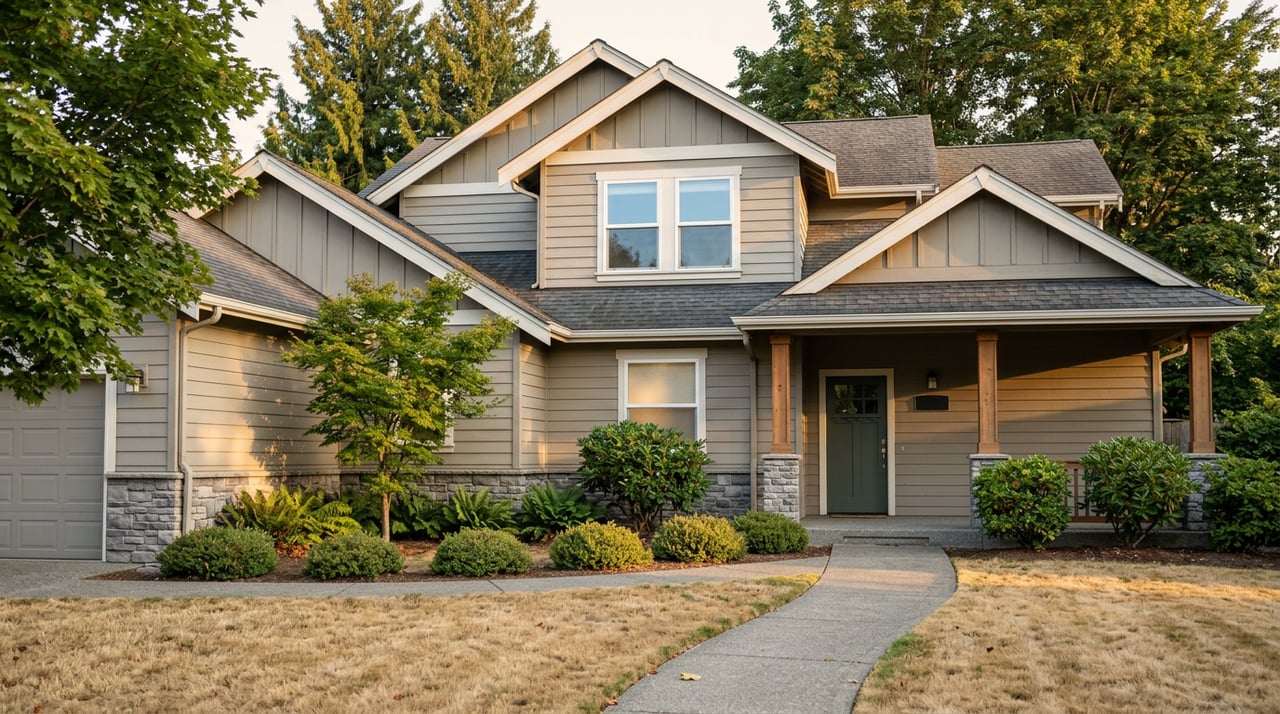
Snoqualmie offers a mix of historic homes near Main Street, newer construction in master-planned communities, and rural parcels on the valley’s edges. Inventory skews toward single-family homes and townhomes, with fewer small condo options than in Seattle.
Downtown Snoqualmie
If you like charm, walkability, and quick access to local shops and cafes, downtown can be a great fit. Homes here include older single-family residences with character and proximity to the river and Snoqualmie Falls. Weekend visitor traffic can be noticeable near the Falls, so plan a visit on both weekday mornings and weekend afternoons to compare the feel.
Snoqualmie Ridge
Snoqualmie Ridge is the best-known master-planned area with neighborhood parks, trails, and a community-forward layout. You will find a wide range of single-family homes and townhomes, many built from the late 1990s to 2010s. HOA guidelines, dues, and lot maintenance standards are common, so review community rules and budget for monthly fees. Some homes sit near golf course greenspaces and enjoy easy access to pocket parks and playfields.
Valley outskirts and rural parcels
If you prefer more space, acreage and rural-style homes can be found on the valley outskirts. These often trade convenience for privacy. In winter, driveways may need extra care, and some locations can be more exposed to seasonal weather. For properties near the river, floodplain due diligence is important. King County maintains floodplain information and resources, and you can view official maps on the FEMA Flood Map Service Center.
Costs and ownership considerations
- Snoqualmie is often more affordable than core Eastside cities like Bellevue, yet pricing is still well above national averages. Compare recent sales with current MLS data before you decide.
- Property taxes follow King County schedules. Review current assessments and note any special district fees.
- Master-planned neighborhoods usually include HOA dues. Account for these plus yard care, exterior maintenance, and any community compliance requirements.
Daily life and amenities
You get a small-city pace here. Downtown has coffee shops, bakeries, restaurants, and services oriented to residents and visitors. Grocery options include local markets in town and bigger stores a short drive away in Issaquah. Major hospitals and specialty care are located in Bellevue, Redmond, and Seattle, while you will find clinics and urgent care closer to home.
City parks, playgrounds, sports fields, and community programs make it easy to get outside without leaving town. Check the City of Snoqualmie for event calendars, parks updates, and community programs.
Tourism is part of the fabric of daily life. Snoqualmie Falls draws visitors year-round, which supports local businesses and restaurants. On peak weekends, you may see more traffic and parking pressure near the Falls and in the historic core. If that balance matters to you, try errands and dining in both busy and quiet windows to see how it feels.
Schools and education
Snoqualmie is served by the Snoqualmie Valley School District. Families often cite district stability and programs as reasons to move to the valley. Mount Si High School serves the wider region, with feeder patterns set by the district.
School quality is best understood through official sources. Review current data on the state’s Washington State Report Card and confirm enrollment boundaries with the district. If you have specialized program needs, reach out to schools directly to discuss offerings and transportation options.
Outdoors and recreation
If you want an easy gateway to the Cascades, Snoqualmie delivers.
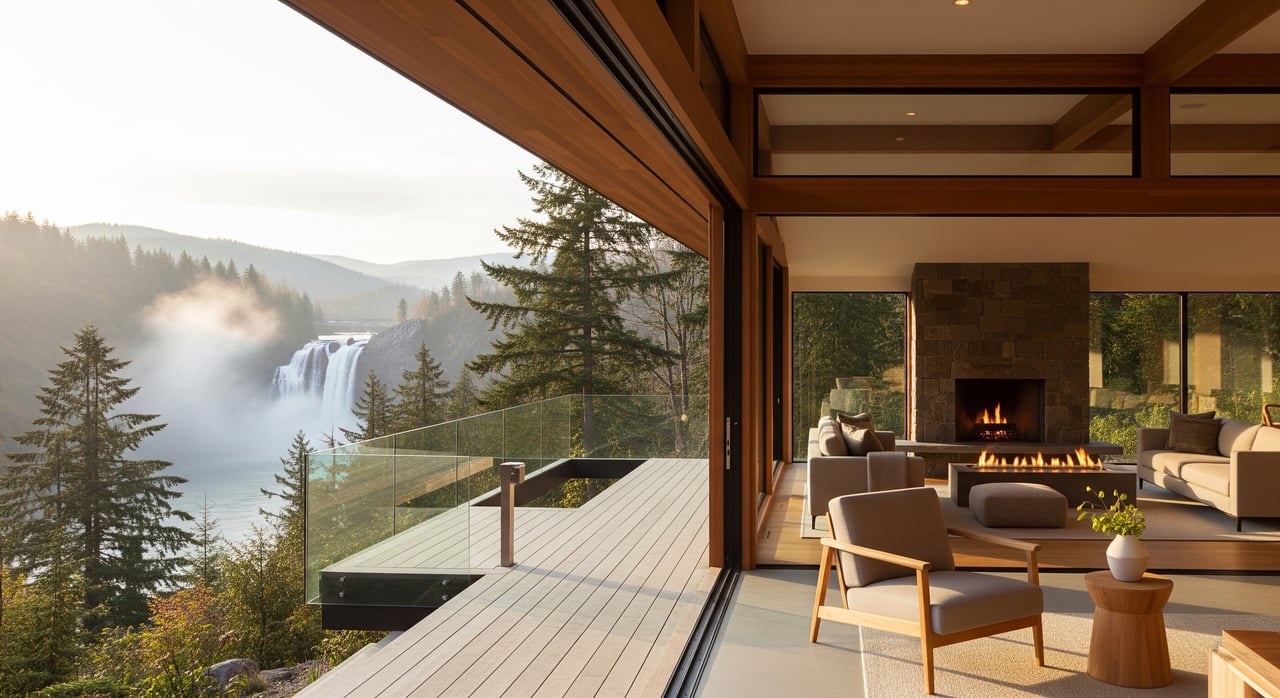
- Snoqualmie Falls is the signature landmark with accessible viewing areas close to downtown. The waterfall anchors local history and tourism, and nearby you will find the historic train depot and the Northwest Railway Museum with seasonal excursions.
- Trails are abundant. The Snoqualmie Valley Trail is part of King County’s regional trail network and is popular for walking, biking, and horseback riding. Start planning on the King County Parks regional trails page.
- Iconic day hikes like Mount Si and Rattlesnake Ledge sit in neighboring North Bend. Always confirm distance, elevation gain, and current conditions with the Washington Trails Association before you go.
- Winter recreation is close. Snoqualmie Pass is typically under an hour’s drive depending on weather and traffic. Check real-time advisories on the WSDOT mountain passes page before heading east.
Commute and getting around
Many residents commute to Eastside job centers in Bellevue and Redmond, and some go to Seattle or work hybrid schedules. In lighter traffic, drives to Bellevue or Redmond often fall in the 20 to 40 minute range. Peak hours can add time, especially with incidents or winter weather on I‑90.
Key roadways include State Route 202 for local valley connections and Interstate 90 for westbound travel to Issaquah, Bellevue, and Seattle or eastbound to Snoqualmie Pass. Public transit exists but is limited compared to denser parts of the metro. Review local routes and park-and-ride options on the King County Metro schedules and maps page. If your employer offers flexible hours or telework, commuting from Snoqualmie can be very feasible.
For planning, test your commute at your actual start times and use WSDOT tools to gauge variability that comes with seasons, school schedules, and bad-weather days.
Practical tradeoffs to weigh
Every community has pluses and tradeoffs. Here is what to consider in Snoqualmie.
- Outdoor access vs. commute time. You gain quick trail access and a calmer setting, but you may drive more for work and services.
- Tourism energy vs. weekend congestion. The Falls supports local businesses and events, but visitor volumes can affect parking and traffic near the core. Visit at different times to see how it fits your routine.
- Weather and terrain. Some homes sit on hills or have longer driveways that can be slick in winter. If you look at acreage or river-adjacent properties, study floodplain information with King County and the FEMA Flood Map Service Center.
- Housing mix. Inventory favors single-family homes and townhomes, with fewer starter condos. If you are a first-time buyer, get pre-approved and watch the market closely so you can move quickly when the right fit appears.
Tips for finding your fit in Snoqualmie
- Walk neighborhoods at different hours, including a busy weekend near the Falls and a quiet weekday morning.
- Test-drive your commute and after-school routes to activities. Try both directions during peak hours.
- Review HOA rules, dues, and maintenance expectations if you prefer master-planned communities.
- Confirm school boundaries, bus routes, and program options with the district and the state report card.
- Ask about winter access and road maintenance. Look into floodplain maps if a property is near the river.
- Compare active listings and recent sales to understand value shifts, then align your offer strategy with your timeline.
When you are ready to explore Snoqualmie homes, lean on a local guide who listens and helps you weigh tradeoffs with clarity. The Laura Papritz Team offers relationship-first advice and full-service support from first tour to closing. Start with a free, no-pressure home valuation and a conversation about your goals.
FAQs
What is Snoqualmie, WA best known for?
- Snoqualmie is known for its scenic waterfall, historic downtown, and quick access to trails and mountains, all within reach of Eastside job centers.
How long is the commute from Snoqualmie to Bellevue or Seattle?
- Off peak, Bellevue or Redmond is often 20 to 40 minutes by car, while Seattle is longer; peak-hour traffic and weather can add time, so test your route and use WSDOT tools.
Which school district serves Snoqualmie?
- Snoqualmie is served by the Snoqualmie Valley School District; verify programs, data, and boundaries on the district site and the Washington State Report Card.
What are the main neighborhoods in Snoqualmie?
- You will find historic downtown, master-planned Snoqualmie Ridge with parks and trails, and rural parcels on the valley outskirts that offer more space and privacy.
Is there good access to outdoor recreation near Snoqualmie?
- Yes, you are close to the Snoqualmie Valley Trail and popular hikes like Mount Si and Rattlesnake Ledge; check current conditions with Washington Trails Association.
Are there any natural hazards I should know about?
- Winter weather can affect roads, and some areas near the river may be in floodplains; review King County and FEMA resources during due diligence.