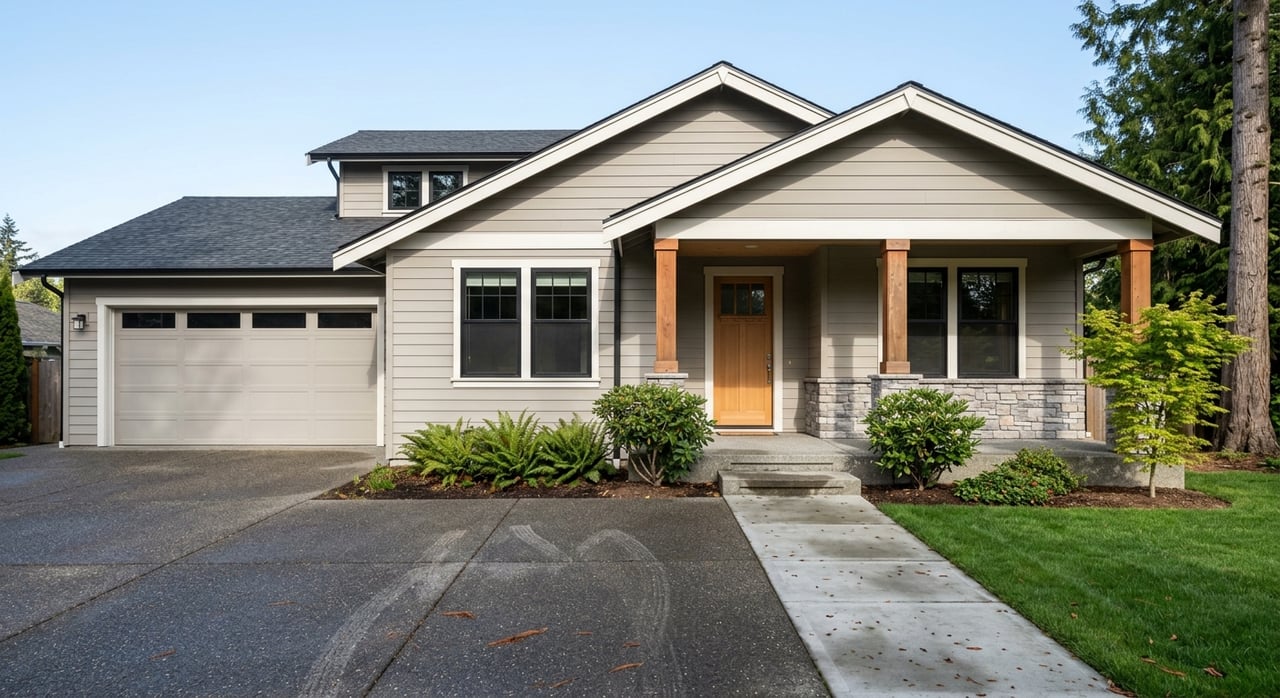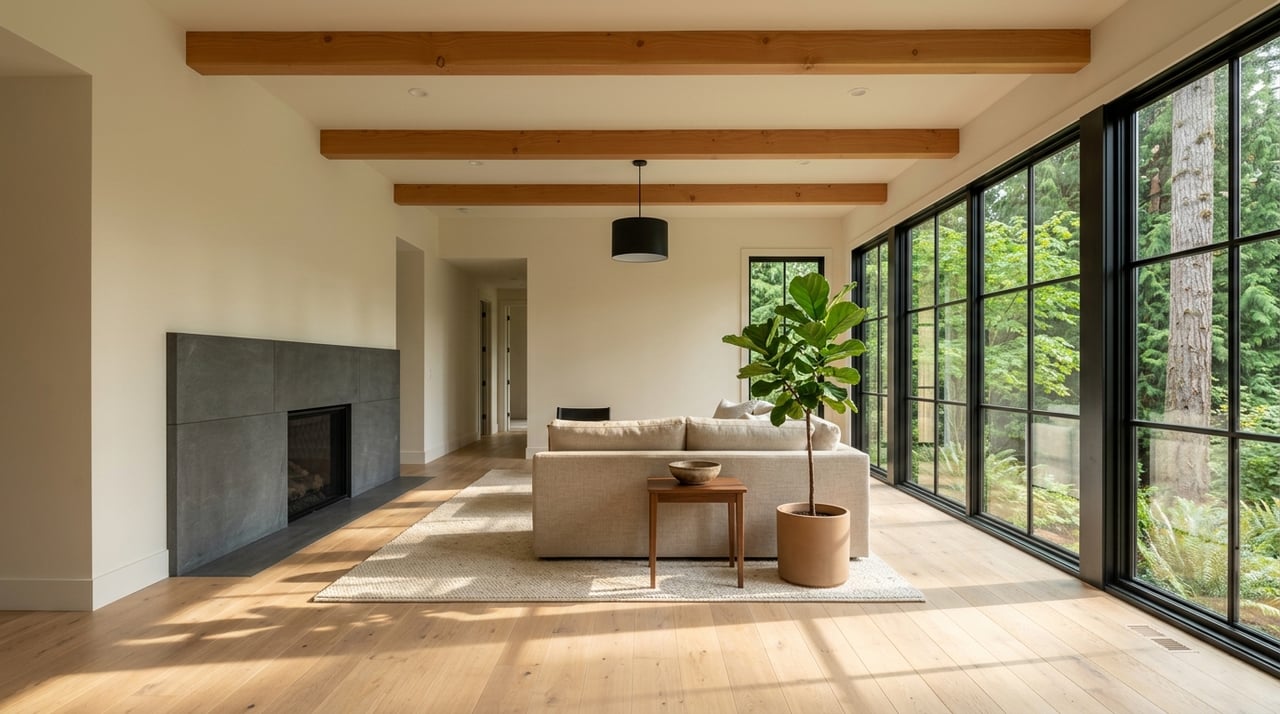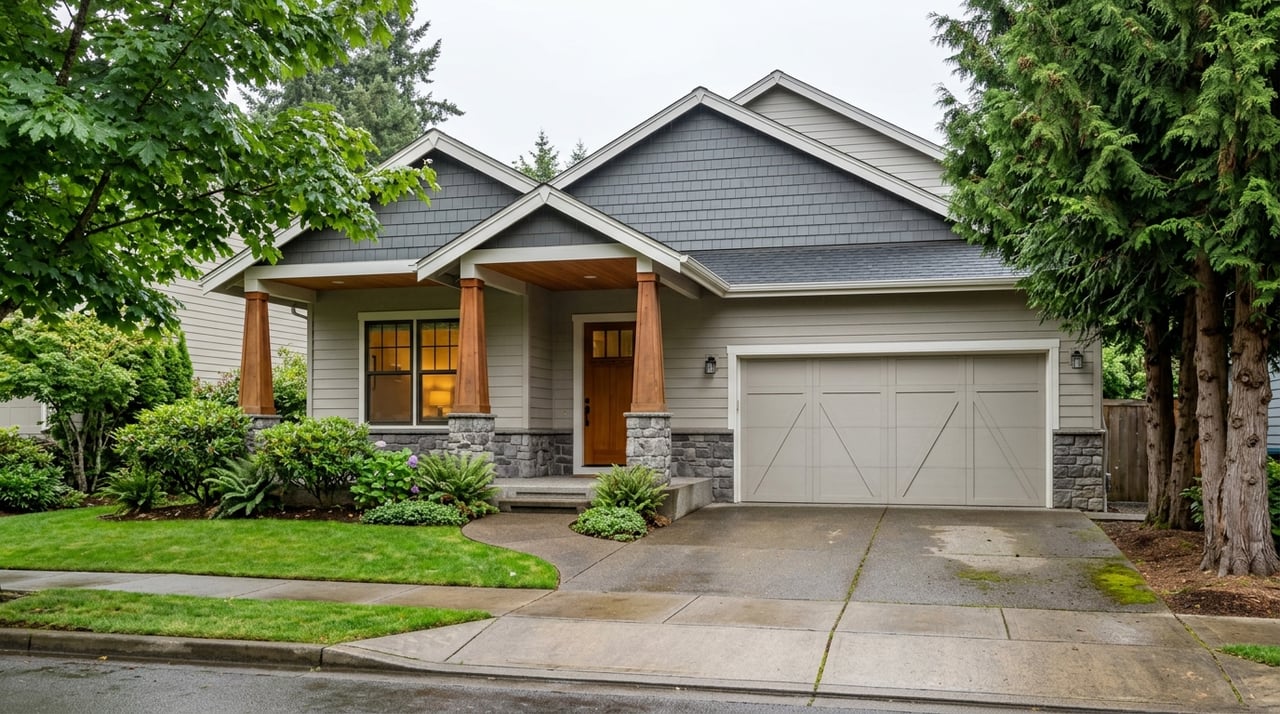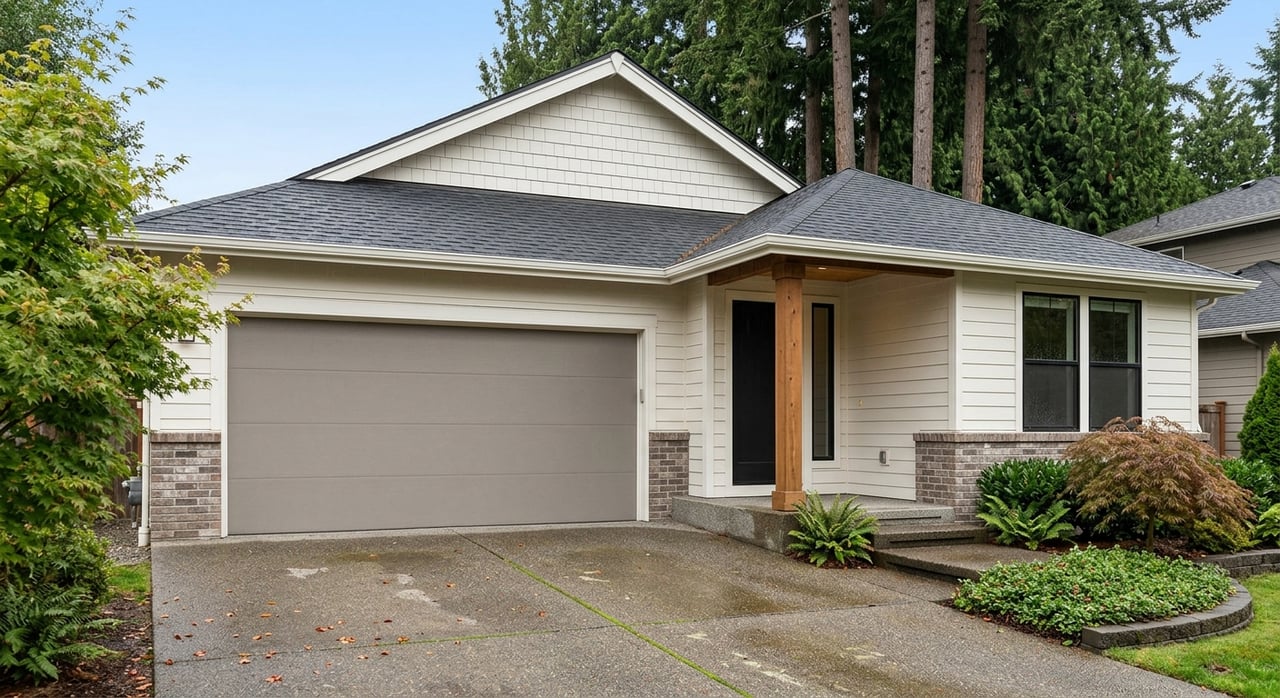
Buying new construction in Black Diamond can look simple at first. Tour a model home, pick a floor plan, choose finishes, and wait for move-in day. In reality, new construction here often means buying into a phased, association-driven community where your lot, your builder contract, and your future HOA obligations all deserve a close look. If you want to feel confident before you sign, this guide will walk you through what to compare, what to ask, and where buyers often miss the fine print. Let’s dive in.
Black Diamond new construction today
Black Diamond’s active new-build market is centered more in master-planned developments than scattered infill neighborhoods. The city’s Master Development Review Team oversees development agreements and land-use planning tied to major planned developments, including The Villages and Lawson Hills, and public notices also show ongoing activity tied to Ten Trails.
For many buyers, Ten Trails is the most visible example of what new construction in Black Diamond looks like today. The community markets a range of builders, floor plans, homesites, parks, trails, an HOA portal, and quarterly dues that include 1-gig internet service.
That setup creates opportunity, but it also means you are comparing more than just house plans. In a community like this, you are also comparing phases, lot locations, builder terms, dues, amenities, and future development around your home.
Why master-planned communities require more review
In a phased community, what you see on day one may not be the final picture. Washington disclosure rules require developers to describe planned building schedules, principal common amenities, and development rights that may still be exercised over time.
That matters because your lot may back to a future phase, sit near a planned roadway, or be close to amenities that are still under construction. A home that feels quiet during your first visit may feel very different once nearby sections build out.
This is one reason buyers benefit from slowing down and asking specific questions. Instead of choosing based only on the model home, you want to understand the exact phase, exact lot, and exact obligations tied to the property you are buying.
Compare builders and sections carefully
Ten Trails currently lists builder options that include Lennar, Regency by Toll Brothers, Conner Homes, and Richmond American. In the Enclave section, the builder lineup includes Ichijo, MainVue, and Oakridge Homes.
Those differences are not just branding. Different sections can offer a different street feel, lot size, and level of privacy. The developer describes Enclave as a gated area with larger homesites, with lots about 60 to 65 feet wide and 90 to 100 feet deep.
If you are comparing homes across sections, look beyond square footage. A slightly smaller home on a better lot may fit your lifestyle better than a larger plan on a busier street or near future construction activity.
What to compare between lots
When you tour a new-construction community, ask about the setting around the home as much as the home itself.
- Whether the lot backs to future phases, roads, or common areas
- Whether the street is a cul-de-sac or a through-street
- Whether it is a corner lot and how visible the driveway is
- How close it is to trails, parks, retail, or construction staging
- Yard size, fencing rules, and landscaping obligations
- Whether a premium lot also brings added maintenance or different association responsibilities
These details can shape privacy, noise, maintenance, and resale appeal. They can also help you judge whether a lot premium feels justified.
Know what is included before you budget upgrades
Model homes are designed to inspire you, but Washington’s public-offering notice makes an important point: a model is only a general guide. Your finished home may differ in floor plan, finishes, fixtures, and equipment.
The same notice also warns buyers not to rely on a model, depiction, or verbal promise unless it appears in the public offering statement or in a signed writing. In practical terms, that means you should get all included features, incentives, and upgrade selections documented clearly.
This is especially important in a community like Ten Trails, where some value is already built into the HOA package. The community says quarterly dues include 1-gig internet service for every home, and it also advertises free WiFi in Civic Park and the future retail village.
If you are comparing upgrade packages, separate community-wide benefits from optional interior upgrades. That helps you focus your budget on the features that truly change your home experience.
Questions to ask about upgrades
- Which features are standard, and which are upgrades?
- Are appliance packages, flooring, lighting, and trim documented in writing?
- How are change orders priced?
- When do change orders become binding?
- Are there deadlines for design-center selections?
- If materials change, what substitution rights does the builder have?
Review the builder contract with care
Builder contracts can look very different from a typical resale purchase agreement. Timelines, deposits, allowances, and closing terms are often written to reflect construction risk and phased development.
One of the most important Washington documents for a brand-new home in a common-interest community is the public offering statement. It must disclose items such as the projected construction schedule, current construction status, estimated completion dates, principal common amenities, estimated assessments due at closing, reserve-study information, warranties, and owner maintenance responsibilities.
If the project has development rights, the statement must also describe those rights and when they end. That can give you a clearer sense of what may still change around you after closing.
Key contract questions to ask
- Is the completion date a target date or a firm contractual date?
- What events can delay closing?
- What deposits are required, and when are they refundable?
- What warranties apply, and are they transferable?
- Is there a mediation or mandatory arbitration clause?
- What assessments are due at closing?
- What parts of the home or lot are you responsible for maintaining?
These are not small details. They shape how much flexibility, risk, and future cost you are taking on.
Understand deposit rules and timing
Deposits deserve special attention in new construction. Washington’s public-offering notice says earnest money and reservation deposits must be held in escrow or trust, but other payments may be at risk if the seller defaults.
That is one reason deposit language matters so much. Before you sign, make sure you understand what type of money you are paying, where it will be held, and under what conditions it can be refunded.
Timing matters too. Under Washington law, if the public offering statement is first delivered seven days or less before signing, you may cancel within seven days or extend closing by up to seven days to preserve your review window.
That review period can be valuable when you are sorting through association documents, construction details, and financial obligations. If documents arrive late, do not assume you have to rush.
Pay close attention to HOA obligations
In Black Diamond’s newer communities, HOA due diligence is a major part of the buying process. Washington disclosure rules require significant detail about community structure, common amenities, construction status, insurance, assessments, reserve studies, and owner maintenance responsibilities.
The public-offering notice also warns that governing documents can include regular and special assessments, fines, fees, interest, late charges, collection costs, and a statutory lien if assessments are not paid. That is why it is so important to look past the headline dues number.
You also want to ask whether there is a master association or another higher-level association creating layered fees. If there are multiple levels of dues or shared-service costs, they should be identified in the disclosures.
HOA items to verify
- Quarterly or monthly dues
- Services already included in dues, such as internet
- Potential master association or layered fees
- Reserve-study status
- Insurance information
- Maintenance responsibilities for owners versus association
- Rules around landscaping, fencing, and exterior changes
- Any amenities or services that may later become common expenses
A community can offer excellent convenience and amenities, but you still want a clear picture of what you are committing to over time.
Think about future community transition
If you are buying in a still-growing development, it helps to understand how the community may transition from developer control to owner control. Washington law requires a substantial handoff of records and materials at that stage, including governing documents, financial records, permits, warranties, manuals, contracts, and the most recent reserve study.
That handoff can be important in communities where growth continues across multiple phases. While it may not affect your move-in day directly, it can affect how the association functions later.
For buyers planning to stay for several years, this is part of the long-term picture. You are not only buying a house. You are buying into a community structure that will evolve.
Keep financing and inspections independent
Even in new construction, independent advice matters. Buyers are not required to use a builder’s affiliated lender and can shop for financing.
It is also wise to ask who represents whom in the transaction. Builder sales staff work within the builder’s sales process, so you should understand how your interests are being represented and where confidentiality applies.
Independent inspections matter too. A new home is still a home under construction, and coordinating your financing, title, insurance estimate, and inspection timeline early can help avoid surprises near closing.
Warranties matter, but so does the fine print
Many buyers take comfort in the idea of a new-home warranty, and that can be helpful. At the same time, warranty coverage is not one-size-fits-all.
Builder warranties often cover workmanship and materials for about one year, systems like HVAC, plumbing, and electrical for about two years, and some structural defects for up to 10 years. They may also exclude certain items, such as appliances or moving costs, and some disputes may be routed into mediation or arbitration.
Before you rely on a warranty as a safety net, ask for the exact written terms. A warranty only helps if you understand what it covers, how claims work, and what limits apply.
A practical approach for Black Diamond buyers
If you are considering a new-construction home in Black Diamond, the smartest approach is a simple one: slow down and verify details in writing. In a phased, master-planned market, confidence comes from understanding the exact lot, exact builder terms, exact dues, and exact community obligations tied to your home.
That kind of review can help you avoid expensive assumptions and make a decision that still feels right long after the model-home excitement fades. With thoughtful guidance, you can enjoy the benefits of a newer home and a growing community while protecting your budget and your peace of mind.
If you want a steady, no-pressure partner as you compare builders, phases, and resale alternatives in South King County, the Laura Papritz Team is here to help.
FAQs
What should you review before buying new construction in Black Diamond?
- Review the exact lot, phase, public offering statement, builder contract, deposit terms, HOA obligations, included features, upgrade terms, and warranty language before signing.
What does the public offering statement cover in a Washington new-construction community?
- It can include the developer’s construction schedule, current construction status, expected completion dates, common amenities, estimated assessments due at closing, reserve-study information, warranties, development rights, and owner maintenance responsibilities.
What amenities are advertised in Ten Trails in Black Diamond?
- Ten Trails markets parks, trails, an HOA portal, quarterly dues that include 1-gig internet service, and free WiFi in Civic Park and the future retail village.
Why does lot selection matter in a Black Diamond master-planned community?
- Lot location can affect privacy, yard size, traffic flow, future construction exposure, proximity to parks or retail, and whether a premium lot brings added maintenance or different obligations.
Can a model home differ from your finished new-construction home in Washington?
- Yes. Washington’s public-offering notice says model homes are only a general guide, and buyers should rely on what is documented in the public offering statement or another signed writing.
What should you ask about HOA dues in a Black Diamond new-construction neighborhood?
- Ask what the dues cover, whether there are layered association fees, what maintenance falls on owners, whether reserve studies are available, and what services or amenities may become common expenses later.