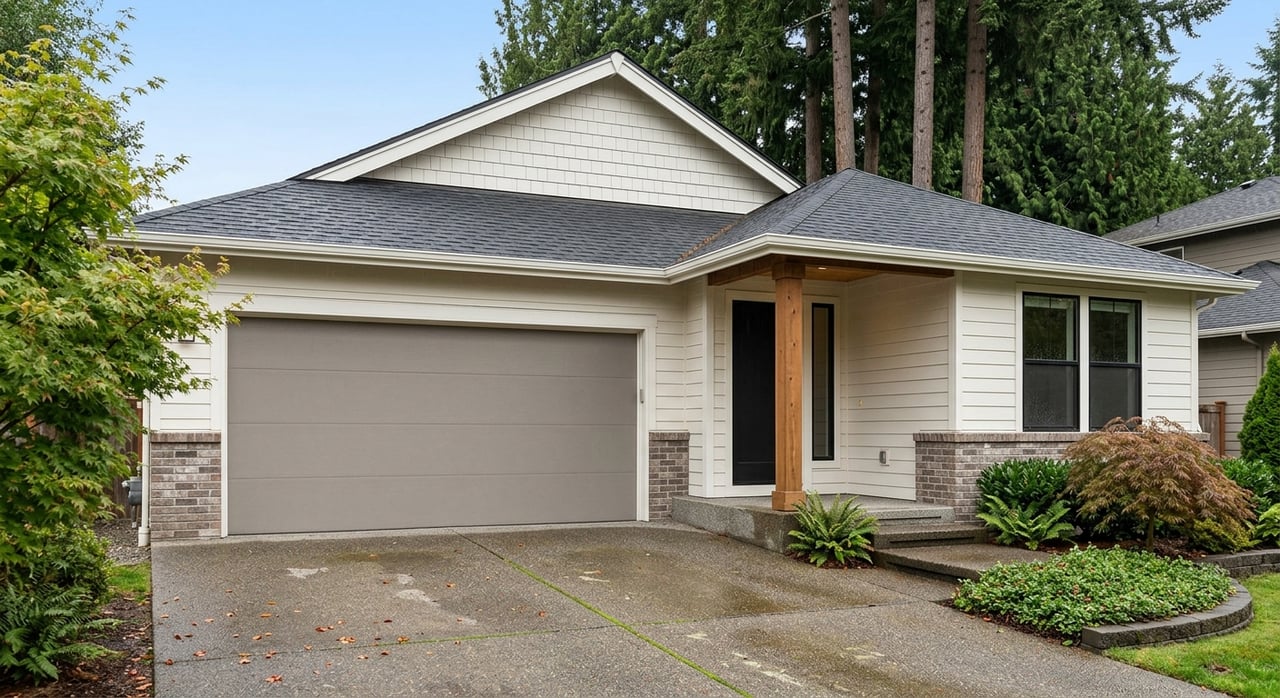
If you work in Seattle or Bellevue, buying a home in Kent can feel like a constant tradeoff between budget, space, and commute time. You want a home that fits your life, but you also need your weekday routine to be realistic. The good news is that Kent gives you several ways to approach that balance, especially if you choose your location with your commute in mind. Let’s dive in.
Why Kent Appeals to Commuters
Kent sits in a key part of South King County’s commute network. Major travel corridors including I-5, SR 167, and SR 181 run through the city, and SR 167 connects into the I-405 system toward Bellevue.
That matters because Kent is not a one-size-fits-all commute market. Some areas make more sense for rail riders heading to Seattle, while others are a better fit if you plan to drive to Bellevue or other Eastside job centers.
Kent also offers a wide range of housing types. According to ACS profile data, the city has 49,952 housing units, 93% of them occupied, and about 60% are single-unit structures. That mix can give you more options if you are comparing detached homes, townhomes, or other attached housing as part of your home search.
Seattle Commute: Kent Station Matters
If your job is in Seattle, the clearest transit-friendly strategy is to focus on homes near downtown Kent and Kent Station. Sounder service from Kent Station is the strongest fit for Seattle-bound commuters because it connects directly to King Street Station, where you can access buses, Link light rail, and the streetcar.
Kent Station is located at 301 Railroad Ave N and includes 996 parking spaces. It is also served by Sounder, ST Express, and Metro Flex, which adds flexibility for getting to and from the station.
There is one important catch. The S Line is weekday-only and peak-oriented, so it is best suited to office-hour commuters rather than people with highly variable evening or weekend schedules.
That schedule reality can shape your home search more than buyers first expect. If train access is a priority, buying closer to Kent Station can make your routine simpler and reduce the stress of depending on parking or longer local connections.
What to Know About Kent Station Access
Kent Station is in the middle of parking and access improvements that are expected to open in 2027. During that work, the current northwest surface lot is closed.
Sound Transit says commuters should use the existing garage at W Smith St and 1st Ave N while construction is underway. For buyers, this is a good reminder that station access is still strong, but daily patterns may look different in the short term than they will a few years from now.
Bellevue Commute: Think Freeway First
If you commute to Bellevue, your search should usually start with freeway access rather than rail. Kent does connect into the broader eastside travel network through SR 167 and I-405, which makes driving a practical focus for many Bellevue-bound buyers.
Transit to Bellevue is less straightforward. Sound Transit planning materials show the former Kent-Bellevue-Overlake Route 567 is currently suspended, so you should not assume there is a simple one-seat, all-day transit option from Kent to Bellevue.
That does not mean Kent is off the table for Eastside commuters. It means your daily route, departure time, and access to major roads should carry more weight when choosing where in Kent to buy.
Best Areas in Kent by Commute Style
A simple way to think about Kent is to match the area to the way you travel most often. The city’s subarea definitions and transit services support a practical shorthand for buyers.
Downtown Kent for Rail Access
Downtown Kent is the strongest fit if you want to use Sounder for a Seattle commute. Homes near Kent Station can make weekday travel easier, especially if you want to avoid relying on a longer drive before your train ride even begins.
This area can also make sense if you value access to regional transit connections. Just keep in mind that station parking and access patterns are changing during the current improvement project.
West Hill and Valley for Driving
West Hill and Valley are typically the best fit if you plan to drive, especially toward Seattle via I-5 or toward Bellevue via SR 167 and I-405. The city defines West Hill/Valley as west of Highway 167, which generally places these homes closer to the freeway side of Kent’s commute map than East Hill homes.
If your job requires flexibility, variable hours, or frequent driving, this part of Kent may deserve a close look. For many buyers, shaving even a small amount off the drive to a freeway entrance can make daily life feel much easier.
East Hill for Local Convenience
East Hill tends to fit buyers who want neighborhood-scale living and local support for shorter trips. The City of Kent’s free DART system serves downtown Kent and East Hill, and Metro Flex provides on-demand service within Kent on weekdays and weekends.
If your schedule is hybrid, your household has more than one commuter pattern, or you value local convenience as much as freeway positioning, East Hill may still be worth considering. The key is to weigh your full weekly routine, not just the drive on your busiest day.
What Home Prices Mean for Commuters
Commute planning is really part of affordability planning. Kent’s mean travel time to work is 33.5 minutes, which is above the Seattle-Tacoma-Bellevue metro average of 30 minutes.
That may not sound dramatic at first, but the extra time adds up quickly over a full week. When you compare homes, it helps to treat location and transportation costs as part of the same decision.
Kent’s housing costs also cover a broad range. ACS data shows the median value of owner-occupied homes is $632,100, and 60% of owner-occupied homes fall in the $500,000 to $1 million band.
Public market snapshots from early 2026 place typical Kent home values in the low-to-mid $600,000s, though the sources vary. Redfin reported a March 2026 median sale price of $610,000, Zillow showed a March 31, 2026 median sale price of $600,167 and an average home value of $657,911, while Realtor.com listed a median price of $695,000.
The big takeaway is not one exact number. It is that Kent offers a meaningful mix of price points and property types, so you can often choose between more space, a shorter commute setup, or a different home style depending on your priorities.
How to Choose the Right Fit
When you buy in Kent as a Seattle or Bellevue commuter, the smartest move is usually to define your non-negotiables before you start touring homes. That can keep you from falling in love with a house that makes your weekday routine harder than it needs to be.
Here are a few questions worth answering early:
- Do you need weekday rail access to Seattle?
- Do you drive to Bellevue and want faster freeway access?
- Is your work schedule predictable enough for peak-only train service?
- Would a townhome, condo, or attached home closer to your route work better than a larger detached home farther away?
- How much parking, flexibility, or local transit support do you need for your household?
These answers can help narrow your search faster than square footage alone. In Kent, commute fit is often what separates a home that looks good on paper from one that works well in real life.
A Smart Kent Search Starts With Routine
Kent can be a very practical place to buy if you commute to Seattle or Bellevue, but the best location depends on how you actually travel. For Seattle jobs, proximity to Kent Station can be a major advantage. For Bellevue jobs, freeway access often deserves top billing.
That is why a thoughtful home search matters. When you line up your budget, housing type, and commute style from the start, you are much more likely to end up with a home that supports your day-to-day life instead of complicating it.
If you want help thinking through commute patterns, neighborhood fit, and the right home type for your goals, the Laura Papritz Team is here to guide you with local, no-pressure advice.
FAQs
Is Kent a good place to buy if you commute to Seattle?
- Yes. Kent can work well for Seattle commuters, especially if you focus on homes near Kent Station and plan to use the weekday, peak-oriented Sounder service to King Street Station.
Is there direct transit from Kent to Bellevue?
- Direct Bellevue transit is limited compared with Seattle. Sound Transit planning materials list the former Kent-Bellevue-Overlake Route 567 as currently suspended, so many Bellevue commuters should prioritize freeway access instead.
Which part of Kent is best for a Seattle train commute?
- Downtown Kent is usually the strongest fit for Seattle train commuters because Kent Station is there and provides access to Sounder and other transit connections.
Which part of Kent is best for driving to Bellevue?
- West Hill and Valley are often the best areas to consider if you drive to Bellevue because they are generally closer to the SR 167 and I-5 side of Kent’s commute network.
Are there different housing options in Kent for commuters?
- Yes. Kent has a mix of detached homes and attached housing. ACS data shows about 60% of the city’s housing stock is single-unit structures, which means buyers can often compare several property types when balancing price and commute needs.