If you are getting ready to sell in Covington, it may be tempting to assume the market will do the heavy lifting for you. But today’s buyers are weighing higher monthly payments, comparing more options, and looking closely for homes that feel worth the price. The good news is that you do not need a massive remodel to make a strong impression. With the right prep, you can help your home feel move-in ready, photograph well, and stand out for the right reasons. Let’s dive in.
Covington buyers are active but selective
Covington is still a competitive market, but it is not the same environment sellers saw during the most frenzied years. Redfin reports a median sale price of $775,000, about two offers per home, and 36 median days on market as of February 2026. Realtor.com shows a similar price point near $780,000, about 30 days on market, and a 100% sale-to-list ratio.
That tells you something important: homes are still selling close to asking when they are priced well and presented well. At the same time, NWMLS data for King County shows active listings were up 35.5% year over year and months of inventory reached 3.23 in February 2026. Buyers may still move quickly, but they have more choices than they did before.
Mortgage costs also remain part of the story. Freddie Mac reported a 30-year fixed rate of 6.00% on March 5, 2026, which means many buyers are payment-sensitive. When buyers already feel stretched, they tend to respond best to homes that look clean, cared for, and easy to move into.
Focus on value, not over-improving
One of the biggest mistakes sellers make is spending too much on the wrong updates. In Covington’s current market, the goal is usually not to create a custom dream renovation. It is to remove buyer hesitation.
That means your best prep strategy is often simple and practical. Clean thoroughly, declutter aggressively, address visible maintenance issues, and make the home feel bright and welcoming. These steps support both in-person showings and online marketing, which matters because buyers often form their first impression from photos and video.
According to NAR’s consumer guide to preparing to sell, basic prep like cleaning windows, carpets, lighting fixtures, and walls can help your home show better. The same guidance also emphasizes storing away clutter before showings, which is one of the lowest-cost ways to make rooms feel larger and calmer.
Start with cleaning and decluttering
Before you think about paint colors or staging accessories, start with the basics. Buyers notice cleanliness right away, and clutter makes it harder for them to focus on the home itself.
A strong first round of prep often includes:
- Deep cleaning the entire home
- Washing windows and light fixtures
- Cleaning carpets and hard floors
- Touching up scuffed walls and trim
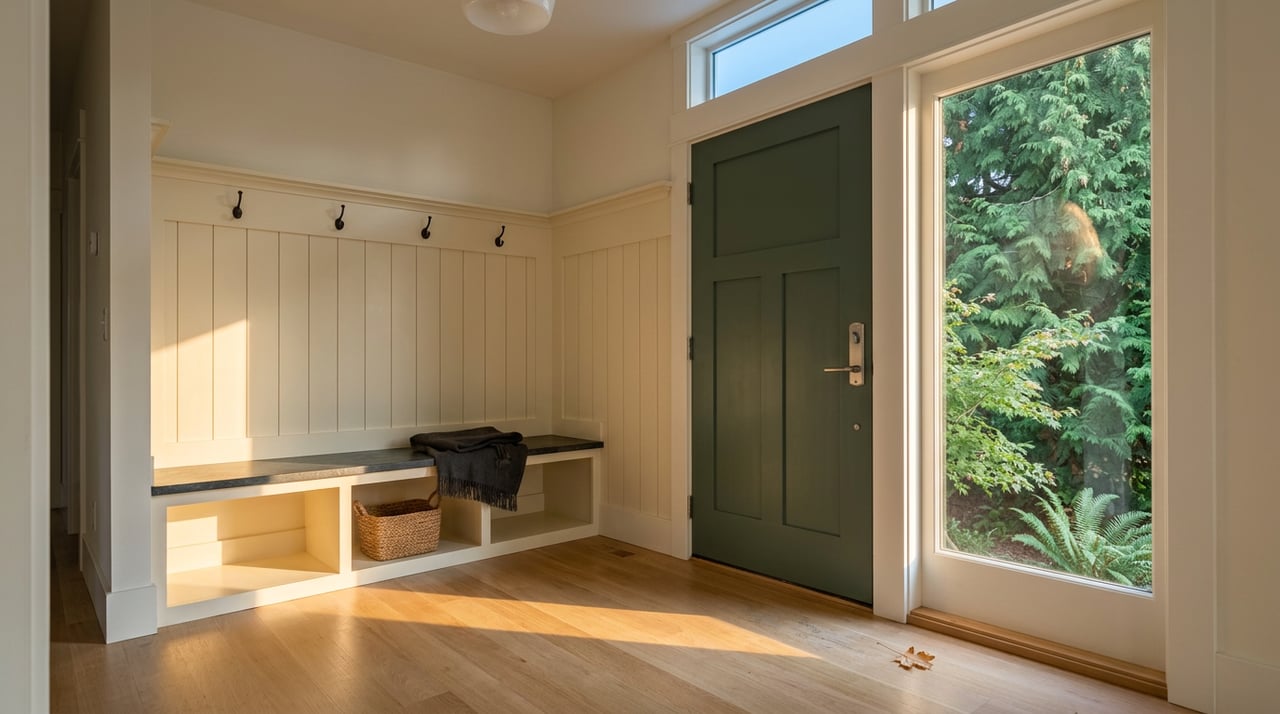
- Clearing counters, shelves, and entry areas
- Packing away extra furniture, personal items, and overflow storage
This is also where many sellers get the biggest return on effort. In NAR’s 2025 staging snapshot, the most common recommendations from sellers’ agents were decluttering the home, cleaning the entire home, and improving curb appeal. Those are simple steps, but they directly support how buyers experience the property.
Prioritize curb appeal early
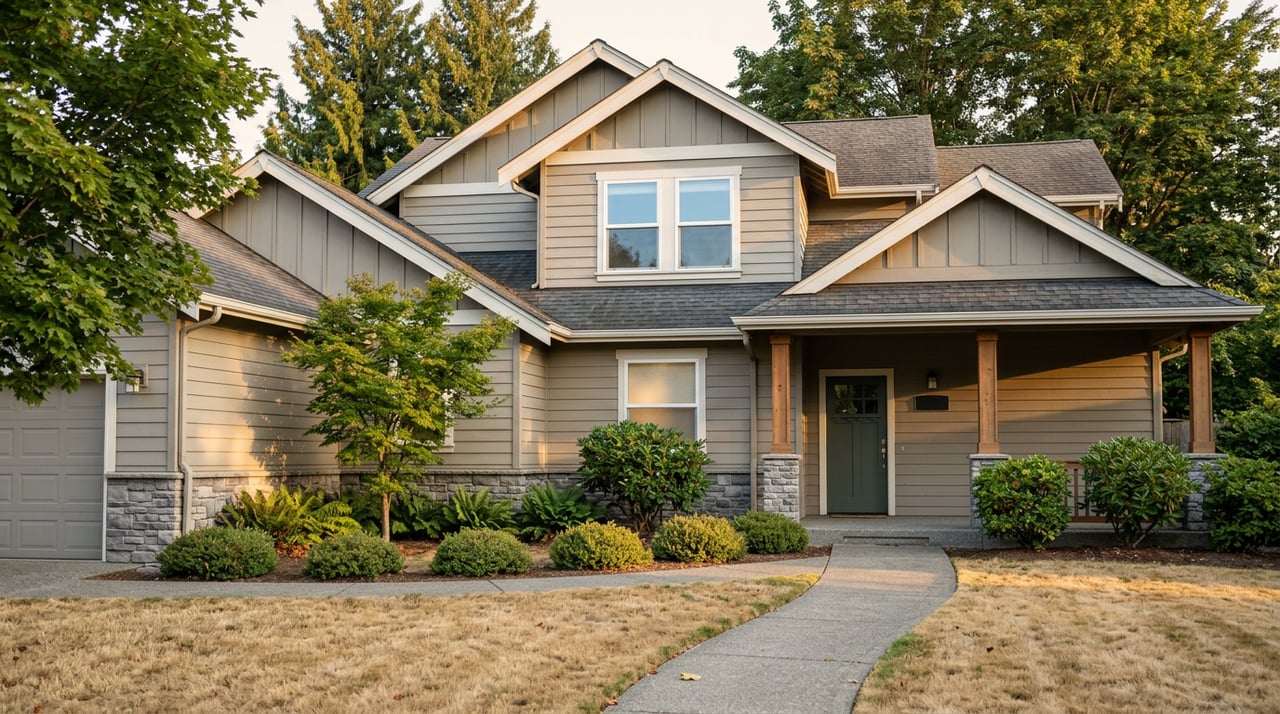
Your buyer starts forming an opinion before they even open the front door. In a market where homes still sell, but buyers are more selective, curb appeal can help create a sense of confidence right away.
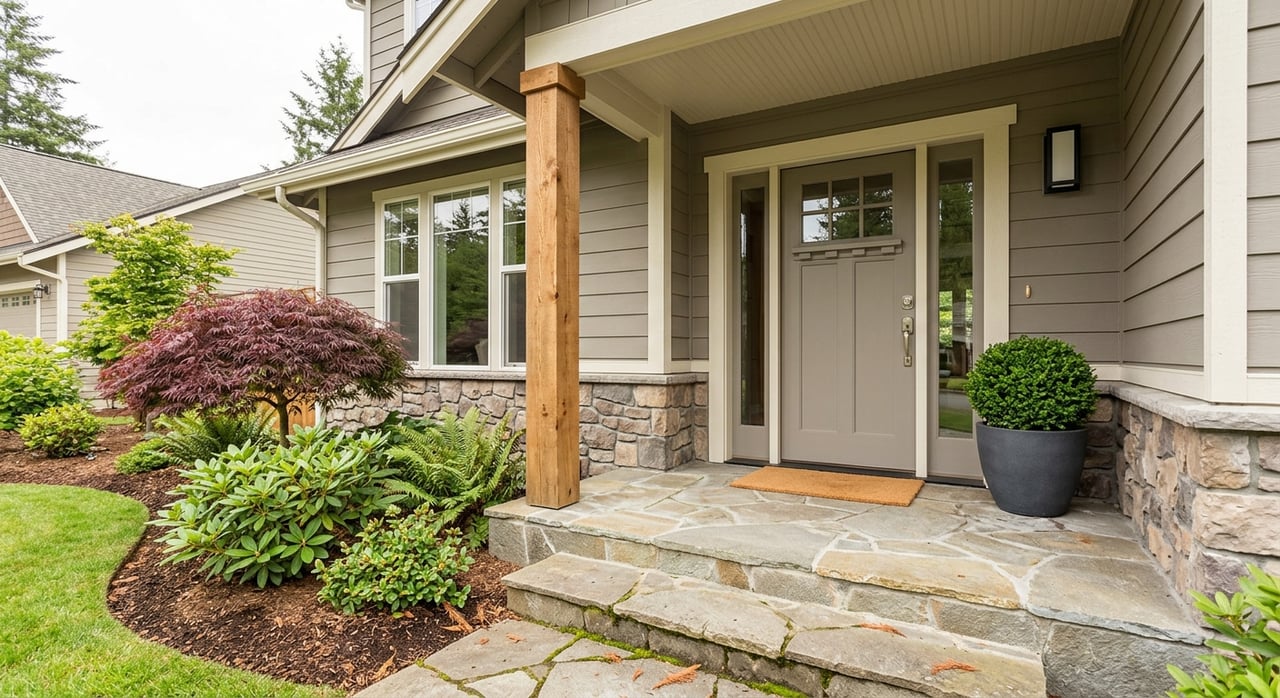
NAR’s curb appeal guidance points to several budget-friendly ways to improve the exterior:
- Freshen the front door with paint if needed
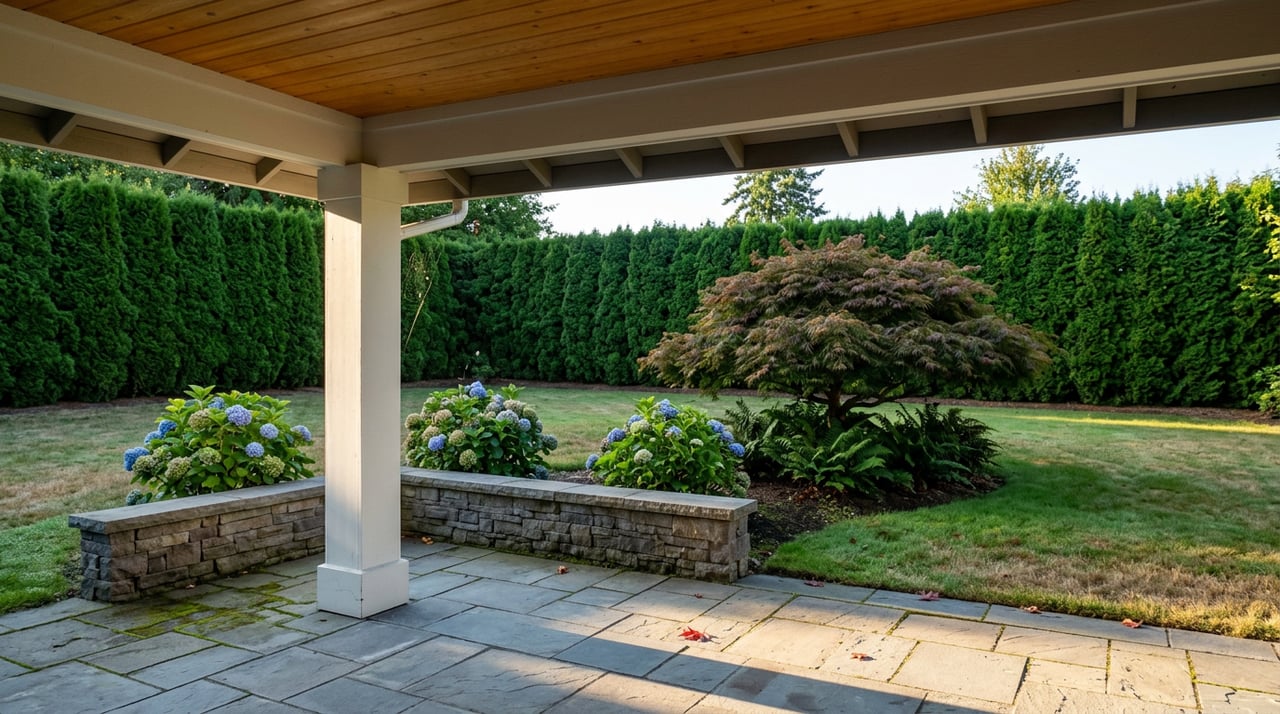
- Trim landscaping and clean up planting beds
- Add fresh mulch or simple greenery
- Update house numbers if they look dated
- Make sure the porch feels tidy and intentional
- Check that exterior lighting is working and welcoming
For many Covington sellers, this kind of work is more valuable than taking on a major interior project. It signals that the home has been cared for and helps support stronger listing photos from the start.
Stage the rooms that matter most
If you have a limited budget or limited time, not every room needs the same level of attention. The smartest move is to focus on the spaces buyers care about most.
According to NAR’s 2025 staging data, buyers’ agents said staging made it easier for buyers to visualize a home as their future home 83% of the time. The most important rooms to stage were the living room, primary bedroom, and kitchen, with the living room ranked first.
That gives you a clear game plan. If you are deciding where to put your energy, start here:
Living room
The living room often sets the emotional tone for the whole home. Buyers want it to feel open, comfortable, and easy to use.
Remove oversized furniture if the room feels tight. Simplify decor, lighten heavy textiles, and create clear walking paths. A warm, comfortable look tends to work better than a space that feels stark or overly styled.
Primary bedroom
The primary bedroom should feel restful and spacious. This is not the place for crowded dressers, extra storage bins, or too many personal items.
Use simple bedding, clear nightstands, and neutral accents where possible. The goal is to make the room feel calm and easy to settle into.
Kitchen
You do not need a full kitchen remodel to make a strong impression. In many cases, buyers respond to cleanliness, brightness, and signs of good upkeep.
Clear the counters, minimize small appliances, clean grout and surfaces, and replace anything visibly worn if the cost is reasonable. If your kitchen connects to a family room or dining area, help those spaces feel cohesive so buyers can picture everyday living.
Choose a warm, welcoming style
Current design guidance points toward spaces that feel bright, comfortable, and lived in without feeling personal. NAR’s recent design trend coverage highlights cozy living rooms, open kitchen connections, warm beige and earth-tone palettes, texture, and natural materials.
That does not mean you need to redecorate your entire home. It simply means buyers may respond better to spaces that feel soft and inviting rather than cold, dark, or highly customized. If your home has bold paint, heavy drapery, or very specific decor, toning it down can help a broader range of buyers connect with the space.
Fix inspection-level issues first
Cosmetic improvements matter, but they should not come before more serious repair concerns. If there is a roof issue, plumbing leak, electrical problem, HVAC concern, or another major defect, buyers are likely to notice it eventually and factor it into negotiations.
NAR advises that a pre-sale inspection is not required, but it can help identify issues before buyers do. It can also give you time to gather estimates and make thoughtful decisions about what to repair, disclose, or price around.
This is especially important if you are planning ahead. When you begin six to twelve months before listing, you give yourself more flexibility to schedule contractors, spread out costs, and avoid rushed decisions right before launch.
Spend bigger dollars carefully
If you are considering a larger pre-listing project, focus on updates with stronger resale logic. Broadly speaking, exterior replacement projects continue to outperform bigger discretionary interior remodels.
According to the 2025 Cost vs. Value Report from Zonda, garage door replacement, steel entry door replacement, manufactured stone veneer, fiber-cement siding replacement, and minor kitchen remodels all showed strong national cost-recoupment results. That does not mean every seller should do one of these projects, but it does support a practical rule of thumb: targeted improvements often make more sense than a full renovation.
If you may move within a year, it usually pays to think in terms of visible value. Buyers often reward homes that feel maintained and updated. They do not always pay extra for highly personal or expensive remodel choices.
Know when professional staging helps
Not every home needs a full professional staging package. In many cases, decluttering, furniture editing, and light styling are enough to improve how the home shows.
Still, professional staging can be worth considering if:
- The home is vacant
- The layout feels awkward
- Existing furniture is oversized or dated
- The listing photos need more visual impact
- You want help creating a move-in-ready feel quickly
NAR’s staging snapshot found that 49% of agents saw faster sales from staging, and 29% saw a 1% to 10% increase in value. If your budget is limited, though, the same data supports handling decluttering and obvious fixes first.
A practical prep timeline for Covington sellers
If you are not sure where to begin, a simple sequence can keep you on track and prevent wasted effort.
Six to twelve months out
- Consider a pre-sale inspection
- Identify major repair or maintenance issues
- Gather contractor estimates for anything significant
- Make a plan for larger exterior or cosmetic work
One to three months out
- Complete key repairs
- Refresh curb appeal
- Deep clean the home
- Declutter closets, counters, storage areas, and garage spaces
- Touch up paint and small cosmetic flaws
Final weeks before listing
- Stage or lightly style the main rooms
- Finish photography prep
- Remove remaining personal items
- Make sure the home feels bright, clean, and easy to walk through
This kind of plan fits what the current data suggests. Covington is active, but buyers are comparing options and watching costs. The homes that tend to stand out are the ones that feel easy to say yes to.
The real goal is reducing buyer friction
When sellers hear “prepare your home,” they sometimes imagine expensive projects and overwhelming to-do lists. In reality, the most effective prep is often about reducing friction.
You want buyers to walk in and think, “This feels cared for,” not “What will I have to fix next?” You want listing photos that help them stop scrolling, and showings that help them picture daily life there. In a market where presentation still influences price and timing, those details matter.
If you are thinking about selling in Covington and want a smart, calm plan for what to do first, the Laura Papritz Team can help you focus on the updates that matter most and avoid spending where it is unlikely to pay off.
FAQs
What home improvements matter most before selling a home in Covington?
- The most practical priorities are cleaning, decluttering, curb appeal, visible cosmetic refreshes, and fixing major repair issues early.
Does staging help when selling a Covington home?
- Yes. NAR reports that staging helps buyers visualize the home more easily, and many agents say staged homes sell faster, especially when the living room, primary bedroom, and kitchen are prioritized.
Should you remodel your kitchen before listing a home in Covington?
- Not necessarily. A full remodel is often less important than making the kitchen look clean, bright, functional, and well maintained.
Is Covington still a seller’s market in 2026?
- Covington remains competitive, with homes selling close to asking when priced and presented well, but buyers have more choices than they did during the tightest market years.
When should you start preparing your Covington home for sale?
- Starting six to twelve months before listing can give you time to inspect, plan repairs, improve curb appeal, declutter, and stage the home without rushing.