Love the idea of stepping out your door and heading straight for Mount Si or Rattlesnake Ledge? North Bend gives you that everyday access to trails, rivers, and mountain views. It also asks you to be a careful buyer who understands flood maps, utilities, and seasonal travel. In this guide, you’ll learn what to check before you write an offer, how the local market and housing types work, and the lifestyle details that shape daily life here. Let’s dive in.
North Bend lifestyle at your doorstep
You live near trailheads that people drive from across the region to visit. Mount Si and Little Si are just minutes from town, and the classic training hike at Mount Si draws big weekend crowds. If you want the quick facts and route details, start with the Washington Trails Association’s Mount Si page.
Expect busy trailhead lots on sunny weekends. Many locals plan earlier start times or weekday outings. Seasonal shuttle service may operate on peak days, but it is not year-round. For you, the upside is huge: daily exercise, quick nature breaks, and an easy way to build outdoor time into your routine.
Market snapshot and home types
As of February 2026, public market snapshots from major data providers place typical single-family sale prices roughly in the 1.0 to 1.3 million dollar range. Treat those as ballpark figures and ask your agent for current MLS comps before making an offer.
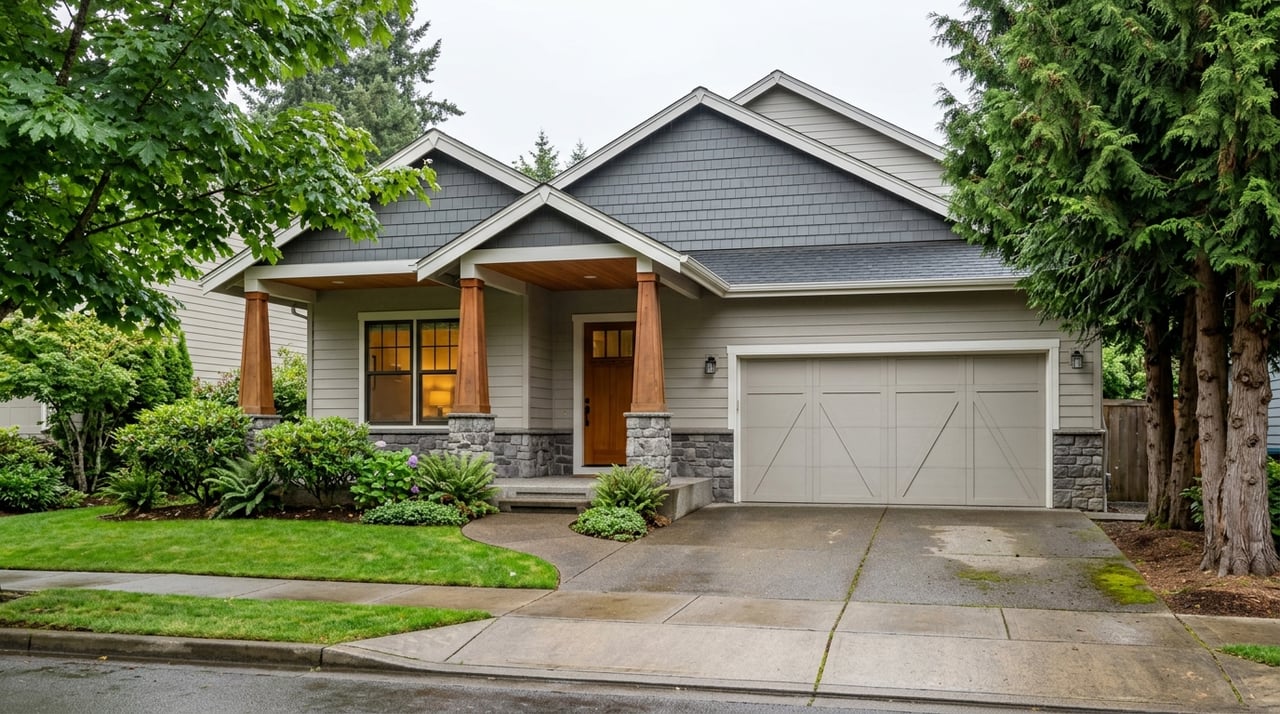
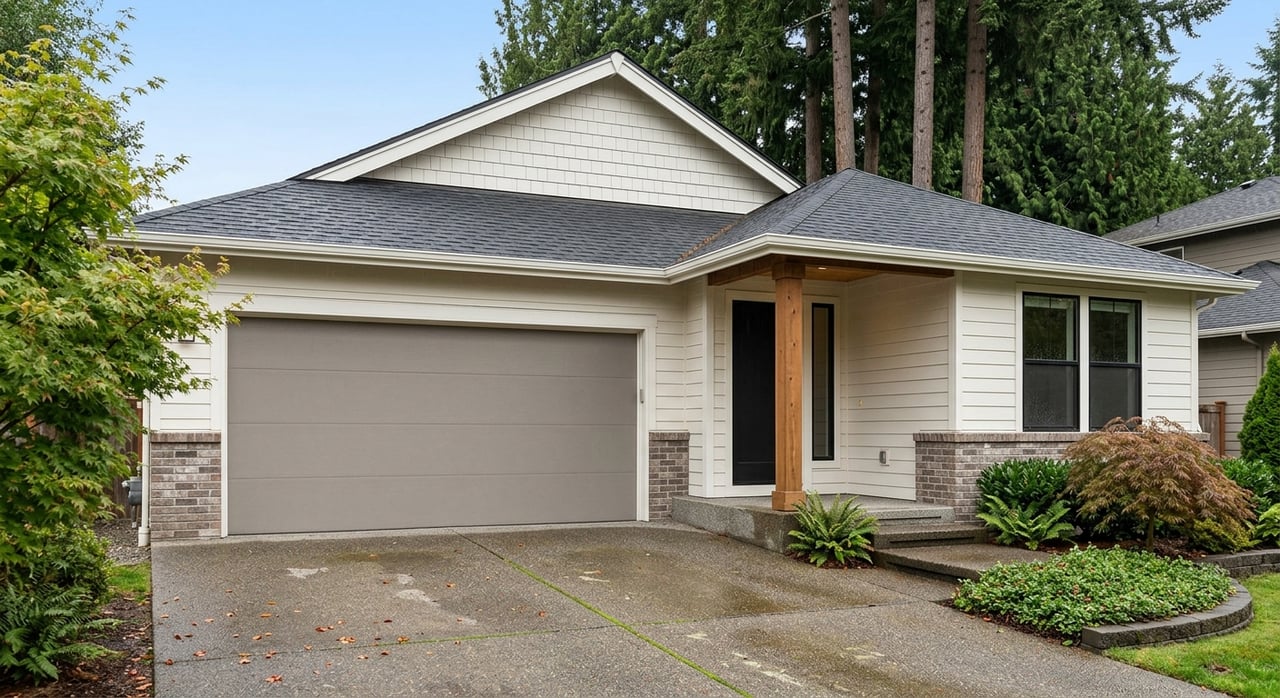
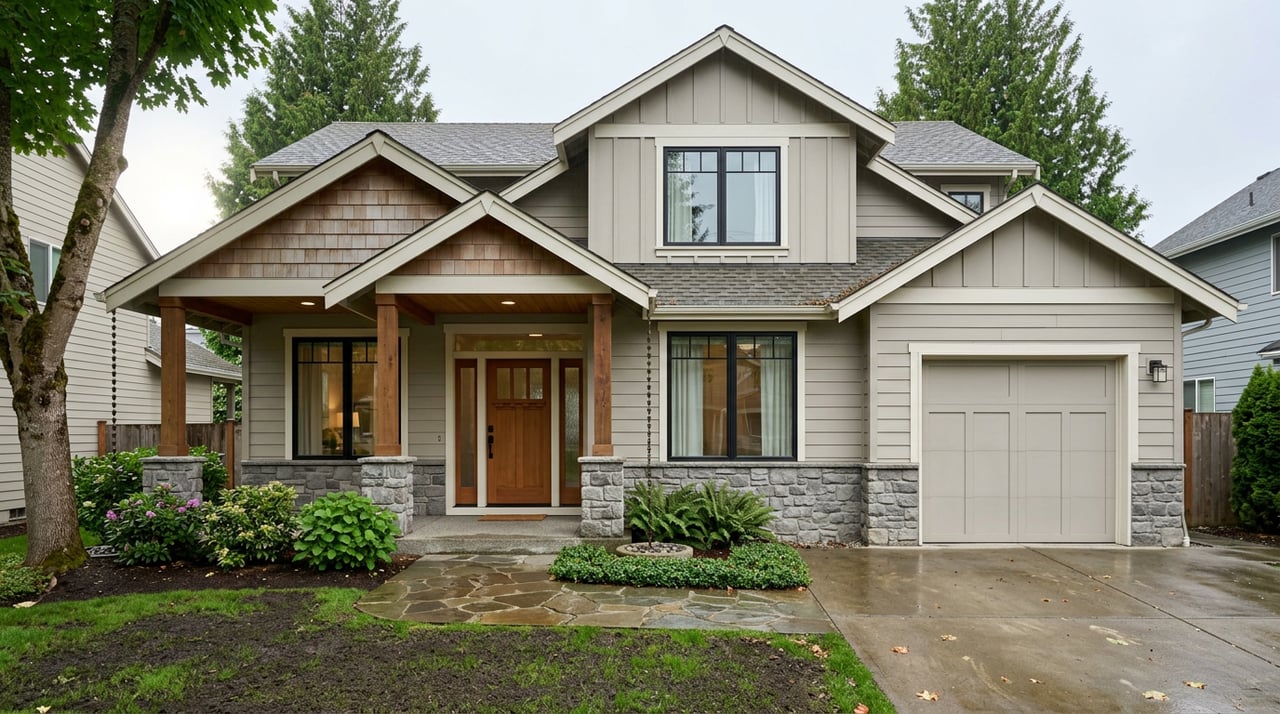
North Bend’s planning documents define what you will see on the ground. The city outlines low-density areas with traditional single-family lots, constrained low-density areas where floodplain or slopes often mean larger lots, and medium to high-density areas closer to the core. For a clear picture of where these patterns apply, review the city’s Land Use Element.
Flooding and natural hazards to know
Flooding is the single biggest local risk. The City of North Bend estimates that about 42% of city land lies in the 100-year Special Flood Hazard Area. The South Fork and Middle Fork of the Snoqualmie River, along with local creeks, drive most flood events. Start with the city’s Flood Protection Information to understand maps, permits, and insurance basics.
Rain-on-snow events can quickly raise river levels from late fall through spring. The city’s Floodplain Management Plan explains why these storms matter and describes channel migration and steep-slope hazards. If you are evaluating a lot near a river, on an alluvial fan, or at the base of a slope, plan on a geotechnical review before you commit.
Utilities, sewer, water, and septic
Sewer service does not cover every home. The city reports that roughly 2,370 residents are served by the municipal wastewater system, and a multi-year wastewater treatment plant upgrade finished in 2024. Confirm service for each address with the city’s Sewer System page or by calling Public Works.
Water service may be city-run or from another purveyor, and the city enforces a Water Conservation Ordinance with seasonal stages. If a home is on a private well, request well logs and recent water quality tests as part of your offer prep. For water-use rules and context, review the city’s Water Conservation FAQ.
If the property is on septic, expect an inspection requirement and ask for maintenance records. King County and regional rules outline common seller disclosures for on-site sewage systems. A good primer is MRSC’s overview of landlord and seller disclosure requirements.
Seasonal access and I-90 realities
I-90 connects North Bend to the Cascades and the metro area. In winter, Snoqualmie Pass can close or require chains with little notice. Before storm-day travel, check the WSDOT Snoqualmie Pass report and plan extra time.
On fair-weather weekends, trailhead parking fills early. You may see overflow parking on neighborhood streets near popular routes. Build flexible timing into hiking days and keep an eye on road conditions during shoulder seasons.
What to check before you make an offer
Use this quick checklist to avoid surprises and strengthen your offer:
- Confirm flood risk. Pull parcel-level FEMA/King County maps and ask the seller for any flood claims or repair history. The city’s Flood Protection Information page outlines map basics and permits.
- Verify sewer vs. septic. Call Public Works or use city resources to confirm sewer availability. If septic, require a licensed inspection and ask for maintenance records; factor possible repairs into your budget.
- Review water source. If on a private well, request well logs, recent test results, and service history. Plan to test annually.
- Inspect drainage. Look for proper grading away from the foundation, clean gutters, adequate downspouts, and working sump pumps. In a wet climate, surface water management is essential.
- Consider slopes and trees. For forested or sloped sites, consult an arborist and, if needed, a geotechnical professional.
- Plan for flood insurance if required. If the home is inside the Special Flood Hazard Area, your lender may require flood insurance. Get quotes early.
- Map critical areas and easements. Use King County’s property research tools to review floodplains, steep-slope layers, and recorded documents.
- Prepare for winter travel. On storm days, check the WSDOT pass report and carry traction gear if you regularly head over the pass.
Rules, permits, and building in flood zones
Any substantial improvement or new development inside the floodplain will trigger special permits. In some cases, structures must be elevated or otherwise brought into compliance. Get familiar with the city’s Flood Protection Information and confirm parcel status before planning remodels.
Next steps and local guidance
Buying in North Bend rewards thoughtful preparation. Start with parcel research, confirm utilities and septic status, and assess flood and slope risks early in your search. If you want a local, consultative partner to help you compare neighborhoods, read the maps, and shape a stronger offer, reach out to the Laura Papritz Team. We are here to listen, guide, and help you move forward with confidence.
FAQs
Is flood insurance required when buying in North Bend?
- If a property is in the Special Flood Hazard Area and you use a federally regulated mortgage, lenders commonly require flood insurance; check parcel status on the city’s Flood Protection Information page and get quotes early.
How do I check if a North Bend property is in a flood zone?
- Use King County’s property research tools to view floodplain layers, then confirm details with the city’s Flood Protection Information page.
What should I know about septic and wells in North Bend home purchases?
- Many homes outside the core rely on septic and some on private wells; require a septic inspection with maintenance records, request well logs and recent water tests, and review MRSC’s seller disclosure overview for common requirements.
What home types and lot sizes are common in North Bend?
- Expect a mix: traditional single-family lots in low-density areas, larger lots in constrained low-density zones, and higher-density options nearer the core; see the city’s Land Use Element for where these patterns apply.
How does winter weather affect commuting on I-90 near North Bend?
- Snoqualmie Pass can see chain requirements and closures; check the WSDOT Snoqualmie Pass report before storm-day travel and allow extra time.